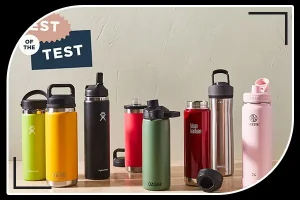
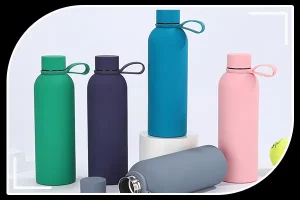
When choosing a water bottle, the material it’s made of plays a crucial role. It affects durability, safety, taste, environmental impact, and even your overall hydration experience. Water bottles come in various materials such as plastic, glass, aluminum, and stainless steel. But among these, 304 stainless steel water bottles have emerged as a top choice for consumers worldwide. In this article, we’ll explore the common materials used in water bottles, their pros and cons, environmental considerations, and why 304 stainless steel stands out — including why Mountop chooses only the best materials for its products.
Common Water Bottle Materials and Their Characteristics
1. Plastic (Tritan, PP, PETG)
Plastic bottles are widely popular because they are lightweight and affordable. Modern plastics like Tritan are BPA-free, which addresses some health concerns related to older plastics.
Pros:
- Lightweight and portable
- Shatterproof
- Generally cheaper
- BPA-free options available
Cons:
- Can retain odors and stains
- May degrade over time with heat exposure
- Potential microplastic shedding with long-term use
Environmental Impact:
Plastic bottles, especially single-use ones, contribute significantly to pollution and take hundreds of years to decompose. Recycling rates are still low globally, leading to plastic waste in oceans and landfills.
2. Glass
Glass bottles offer a pure taste experience and are 100% recyclable, making them an eco-friendly option.
Pros:
- No chemical leaching
- Maintains taste purity
- Fully recyclable
Cons:
- Fragile and prone to breakage
- Heavy compared to plastic and steel
- Not ideal for active or outdoor lifestyles
Environmental Impact:
Glass production is energy-intensive, but the material is recyclable infinitely without quality loss.
3. Aluminum
Aluminum bottles are lightweight and stylish but usually require an internal liner to prevent corrosion.
Pros:
- Lightweight and durable
- Good thermal properties with insulation
Cons:
- Internal liners may contain chemicals like BPA
- Prone to dents and scratches
- Not always dishwasher safe
Environmental Impact:
Aluminum is recyclable and often recycled, which reduces environmental footprint, but liner waste can be a concern.
4. Stainless Steel (201, 304, 316)
Stainless steel is favored for its durability, safety, and sleek appearance. Among stainless steel grades, 304 is widely regarded as the safest and most durable for food contact.
Pros:
- Corrosion and rust resistant
- Non-reactive and BPA-free
- Durable and long-lasting
- Excellent temperature retention (especially double-walled)
- Easy to clean
Cons:
- Heavier than plastic and aluminum
- Generally more expensive upfront
Environmental Impact:
Stainless steel is highly recyclable and its longevity reduces the need for frequent replacements, making it an eco-friendly choice.

Material Comparison Table
| Material | Durability | Weight | Safety | Taste Preservation | Environmental Impact | Typical Use Case |
|---|---|---|---|---|---|---|
| Plastic (Tritan) | Medium | Very Light | BPA-free options | May retain odors | Low; hard to biodegrade | Casual, lightweight use |
| Glass | Low | Heavy | Very safe | Excellent | High energy to produce, recyclable | Office, home, low activity |
| Aluminum | Medium | Light | Depends on liner | Good | Recyclable, liner waste | Sports, travel |
| Stainless Steel 201 | Medium | Heavy | Safe | Good | Recyclable, durable | Entry-level steel bottles |
| Stainless Steel 304 | High | Heavy | Very safe | Excellent | Highly recyclable | Premium daily & outdoor use |
Why 304 Stainless Steel Water Bottles Are the Preferred Choice
304 stainless steel, also known as 18/8 stainless steel, contains 18% chromium and 8% nickel, giving it excellent corrosion resistance and making it food-safe. This grade is widely used in kitchenware, medical tools, and high-quality water bottles.
Key Benefits of 304 Stainless Steel Bottles:
- Durability: It withstands drops, scratches, and daily wear without rusting or corroding.
- Safety: 304 stainless steel is non-toxic and doesn’t leach chemicals, making it safe for all types of beverages including hot liquids.
- Temperature Control: Double-walled 304 steel bottles can keep drinks hot for up to 12 hours or cold for 24 hours.
- Taste Integrity: The material does not alter the taste or smell of your drink.
- Eco-Friendliness: Stainless steel bottles are reusable and recyclable, reducing single-use plastic waste significantly.
Which Materials Do Consumers Prefer?
The market shows a strong preference for stainless steel and Tritan plastic bottles due to their combination of safety, durability, and convenience. However, as consumers become more aware of environmental and health impacts, 304 stainless steel water bottles are increasingly favored, especially among health-conscious and eco-friendly users.
Mountop’s Commitment to Quality Materials
At Mountop, we understand that material quality is fundamental to a great water bottle. That’s why all our products are crafted from premium-grade 304 stainless steel or BPA-free Tritan, ensuring:
- Maximum safety for your health
- Long-lasting durability
- Environmentally responsible choices
- Stylish designs without compromise
Whether it’s our UV self-cleaning bottles, insulated bottles, or filter straw bottles, you can trust that Mountop uses only the best materials to deliver top-quality hydration solutions.
Final Thought
Choosing the right water bottle material is not just about looks or price; it’s about health, environmental impact, and long-term satisfaction. When you select a 304 stainless steel water bottle, you choose safety, durability, and sustainability all in one. For trusted quality and eco-friendly products, Mountop is your ideal hydration partner.