

Stainless steel water bottles are popularly used in corporate gifts, promotional campaigns, retail products, employee welcome kits, and outdoor events. As far as distributors, wholesalers, and private-label brands are concerned, buying in bulk can help manage unit costs and ensure regular product supply.
Choosing a supplier goes beyond price comparison, since quality, materials, customization options, production capacity, and delivery reliability will influence the value of your order.
This guide explains what businesses should consider when sourcing wholesale stainless steel water bottles and how to choose a supplier that fits their needs.

Why Businesses Buy Stainless Steel Water Bottles in Bulk
There are some advantages for commercial buyers with the purchase of stainless steel bottles. They are reusable, durable, and suitable for different target audiences from daily use to outdoor accessories.
Lower unit costs: Buying in bulk usually provides better per-unit pricing. In addition, large orders may also reduce packaging and shipping costs per bottle, depending on order size and shipping method.
Wide market applications: Many uses of the product including promotional merchandise, retail collections, company gifts, school programs, fitness brands, and travel products. Buyers can select different capacities, finishes, and lid styles depending on the specific application.
Long-term brand exposure: A reusable bottle can remain in use for months or years. Logo and branded color allow maintaining constant brand presence beyond the advertisement campaign.
Flexible product positioning: Buyers can source basic bottles for price-sensitive promotions or premium insulated models for retail and corporate gifting. It allows choosing the product to fit different budgets and customer groups.
Choose the Right Stainless Steel Bottle for Your Market
Before requesting for wholesale quote, define the product requirements. It will enable suppliers to make recommendations and offer accurate prices.
Compare Material Options
Stainless steel grade will affects corrosion resistance and product cost.
| Material | Main Features | Common Usage |
|---|---|---|
| 304 stainless steel | Good corrosion resistance and a common choice for food-contact drinkware | Retail bottles, corporate gifts, everyday use |
| 316 stainless steel | Better resistance to certain corrosive environments, including those involving chlorides | Premium products and specialized applications |
| 201 stainless steel | Generally lower material cost but lower corrosion resistance than 304 | Selected budget-oriented applications, subject to product requirements |
Most stainless steel water bottles for the general consumer use 304 stainless steel. The 316 grade may suit specific requirements but would increase costs without providing a meaningful benefit for every application.
Buyer should check which materials the various parts are made of. The inner wall, outer wall, lid, and drinking components may use different materials.
Select the Right Capacity and Design
Bottle capacity should match its purpose. Small bottles are useful for commuting and marketing events, while large bottles may appeal to outdoor users and fitness customers.
Common options include:
- 350–500 ml: Suitable for daily commuting, conferences, and compact gift sets.
- 600–750 ml: A versatile size for office use, travel, and general retail.
- 1 liter or more: Often preferred for outdoor activities, sports, and users who want a larger water supply.
Buyers should also think about bottle shape, opening size, lid design, handle presence, and easy cleaning. In addition, vacuum-insulated bottles might ensure maintaining beverage temperature, but their performance will largely depend on design, construction, and manufacturing quality.

Understand Wholesale Pricing and Order Quantities
The unit price is important, but it should not be the only factor in a purchasing decision. A low quotation may exclude customization, packaging, inspection, or shipping expenses.
When comparing suppliers, review the following cost factors:
- Material and construction: Steel grade, wall structure, capacity, and insulation design influence production costs.
- Order quantity: Larger orders may qualify for lower unit prices, although the discount depends on the product and supplier.
- Customization: Logo printing, special colors, custom packaging, and mold development can add costs.
- Packaging: Individual boxes, gift packaging, and protective shipping cartons affect the final quotation.
- Shipping and duties: Freight, import duties, and local handling charges can change the total landed cost.
Request a quotation based on the same specifications from each supplier. This makes it easier to compare the actual cost of the order rather than just the listed bottle price.
Minimum order quantities (MOQs) also deserve attention. Standard models may have lower MOQs than products requiring custom colors or new molds. If demand is uncertain, buyers can start with an existing design and expand customization after testing the market.
Customization Options for Private-Label Buyers
Customization helps distributors and brands differentiate their products. The right approach depends on the target market, order volume, and budget.
Logo Application
Common logo options include laser engraving, screen printing, and other printing methods selected according to the design and surface finish.
Laser engraving creates a durable mark without relying on printed ink. Screen printing can work well for simple designs and larger production runs. Complex, multicolor artwork may require a different process.
Ask the supplier to confirm the available print area, color limitations, artwork requirements, and durability testing. A production sample can help verify how the logo looks on the actual bottle.
Color and Packaging
Custom color bottles can support either within the parameters of the company’s branding scheme or seasonally-themed products. Depending on the supplier, buyers may choose from standard finishes or a custom color.
Another possible way for branding is through packaging. Retail boxes, gift boxes, and branded inserts are all good options for corporate gifts or retail sales. But custom packaging may take more time to set up and have a minimum order quantity.
OEM and ODM Services
Usually, OEM services include manufacturing bottles according to the customer’s specifications whereas ODM services can encompass choosing or modifying an existing product design.
In case of a wholesale customer, such services can incorporate applying the company’s logo, choosing the product color, packing, making changes and, if feasible, customizing molds. It is important for the customer to know what services are included in the quote and what will require extra charges.
How to Evaluate a Wholesale Bottle Supplier
An ideal supplier needs to offer more than low prices. Consistency in terms of quality and communication is necessary for subsequent transactions and building relationships.
1. Check product specifications. Confirm the stainless steel grade, capacity, dimensions, weight, lid materials, and insulation requirements. Ask for supporting material documentation when needed.
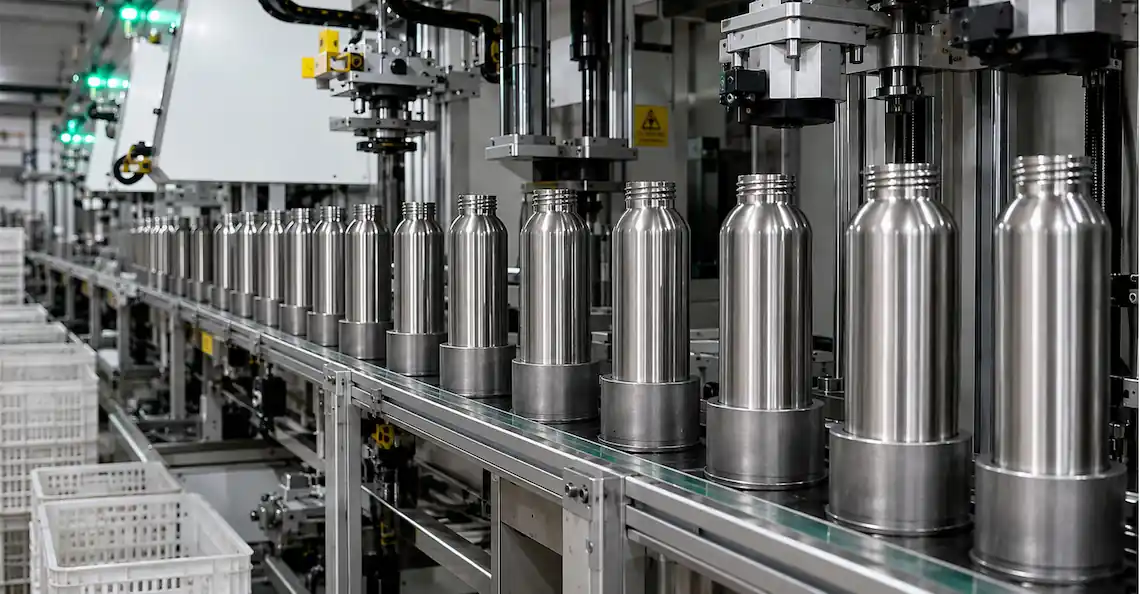
2. Review quality control procedures. Ask how the supplier checks appearance, leakage, lid fit, insulation performance, and product consistency. For products intended for food contact, request relevant compliance documents for the destination market.
3. Request a sample. A sample allows buyers to assess the finish, weight, usability, packaging, and logo quality before placing a larger order. It also helps identify specification gaps early.
4. Confirm production capacity. Ask about the normal production lead time, available capacity, customization schedule, and process for handling urgent changes. Lead times can vary by season and product complexity.
5. Review communication and order terms. Confirm payment terms, inspection arrangements, packaging details, shipping responsibilities, and procedures for defective products. Written specifications help reduce misunderstandings.
Supplier certificates and claims of quality should always be verified against the actual products, facilities, and target markets. It is a mistake to assume that one certificate is enough for all bottles and destinations.
Common Mistakes to Avoid When Buying in Bulk
Several purchasing mistakes will result in increase costs and/or delayed product launches.
- Choosing the lowest quote without comparing materials, packaging, and quality standards.
- Approving production without checking a representative sample.
- Requesting complex customization without confirming the MOQ and additional fees.
- Underestimating shipping time, customs clearance, or seasonal production delays.
- Failing to document approved colors, logo placement, and product specifications.
A preparation of a proper purchase specification and sample agreement will help avoid most of these problems. For repeat orders, keep the approved specifications on record, and a check made if there are any material or process changes by the supplier.
Find a Wholesale Stainless Steel Water Bottle Supplier
Sourcing wholesale stainless steel water bottle involves a compromise between quality, pricing, customization, and shipping. Not always is the most competitive price the right one, rather the supplier who can deliver on your terms and provide reliable orders.
Before making the final purchase, you will need to compare quotes, examine samples, determine compliance requirements, and define the specifications products. These steps help distributors, importers, and private-label brands reduce purchasing risks and build a more dependable supply chain.

Mountop Bottle is a manufacturer of professional water bottles based in Shenzhen, China. The company was founded in 2008 and focuses on providing OEM and ODM water bottles projects to wholesalers, distributors, retailers, and brands.
This factory offers stainless steel water bottles, smart water bottles, UV water bottles, plastic sports bottles, shaker bottles and other types of water bottles. Mountop also offer customization services, inclued logo printing, private label solutions, product design and development, mold creation and packaging customization.
With an experienced production team and in-house manufacturing capabilities, Mountop supports both simple logo customization and fully customized product development.


