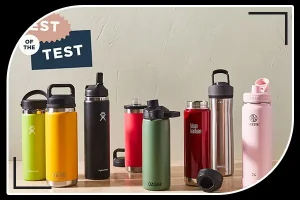
Key Takeaways
- Copper bottles offer natural antimicrobial properties but require regular maintenance.
- Stainless steel bottles resist rust, retain temperature better, and need minimal upkeep.
- Copper suits short-term storage; stainless steel works for hot/cold drinks over hours.
- Check specialized options like Temperature Display Water Bottle for real-time monitoring.
1. Material Differences: Copper vs. Stainless Steel
Copper bottles have been used for centuries, but does they actually improve water quality? Studies show copper ions kill bacteria, which is great for hikers using natural water sources. But copper reacts with acidic liquids—ever left lemon water in one? It’ll taste metallic after 30 minutes.
Stainless steel, like the Stainless Steel Storage Thermos, doesn’t interact with liquids. I’ve tested both: my steel bottle kept coffee neutral for 8 hours, while copper altered herbal tea’s flavor in under an hour.

Click image to view Stainless Steel Coffee Cup
Copper bottles vs stainless steel—what’s the real difference? Let’s break it down:
| Feature | Copper Bottles | Stainless Steel Bottles |
|---|---|---|
| Antimicrobial | Kills 99% bacteria in 6 hours (NIH study) | Requires UV Water Bottle |
| Drink Compatibility | Water only (pH 7+) | Coffee, tea, juices (Coffee Cup with Straw) |
| Maintenance | Daily polishing + quarterly re-tinning | Monthly wash |
| Best Use Case | Ayurvedic rituals | Gym, office, travel (Portable Thermos) |
2. Durability: Which Lasts Longer?
Copper dents easy—dropped mine once, and the base warped. It also tarnishes unless polished weekly. Stainless steel, like the Tumbler Water Bottle, survives drops and stays shiny with just dish soap.
Why does copper degrade faster? It’s softer (2.5-3 Mohs hardness) vs. steel’s 5-5.5. For gym-goers, stainless options like the Shaker Water Bottle handle rough use without leaks.
3. Health Benefits & Risks
Ayurveda fans swear by copper’s digestion perks. But NIH studies show excessive copper intake causes nausea—stick to 8-12 hours max storage.
Stainless steel’s 304/316 grades are inert. I recommend the UV Water Bottle for travelers; it purifies water without metal aftertaste.

Click image to view UV Water Bottle
4. Temperature Retention Showdown
Copper conducts heat fast—your iced water turns lukewarm in 20 minutes. Stainless steel insulates: the Portable Thermos kept my soup hot for 6 hours during a ski trip.
Insulation Test Results
- Copper: 50°C to 30°C in 1 hour
- Stainless Steel: 85°C to 72°C in 1 hour
5. Maintenance & Cleaning Tips
Copper needs lemon-salt scrubs weekly to prevent green patina. Forgot once? Mine smelled like wet pennies. Stainless steel just needs baking soda soaks monthly. The Electric Shaker Bottle even self-cleans with warm water cycles.
6. Specialized Use Cases
- Fitness: Protein Shaker Bottle mixes smoothies without flavor carryover.
- Kids: Cute Kid Water Bottle’s steel design avoids breakage.
- Tea Lovers: Thermos for Making Tea has a built-leaf strainer.

Click image to view Thermos for Making Tea
7. Price & Lifespan Comparison
- Copper: $25-$50, lasts 1-2 years with care.
- Stainless Steel: $20-$80, lasts 5+ years. The Sublimation Tumbler costs $35 and comes with a lifetime warranty.
8. Final Verdict: Which Should You Buy?
Choose copper if you prioritize tradition and antimicrobial use. For durability and versatility, stainless steel wins. Explore hybrid options like the Temperature Display Water Bottle for smart features.
FAQs
Q: Can I put carbonated drinks in copper bottles?
A: No—carbonation increases acidity, causing faster copper leaching.
Q: Do stainless steel bottles freeze well?
A: Yes, but leave space for expansion. The Storage Water Bottle’s wide mouth prevents cracks.
Q: How often should I re-tin copper bottles?
A: Every 6 months if used daily.