
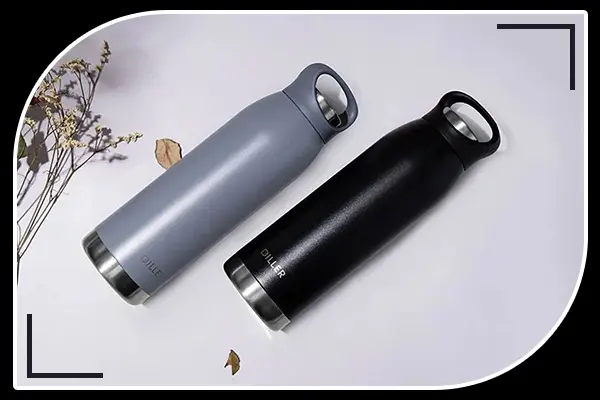
Lead-free water bottles are becoming an important consideration for businesses that source reusable drinkware for retail, corporate gifts, promotional campaigns, and private-label products. The problem here for potential buyers is not just the choice of a bottle marked “lead-free.” It is to understand the meaning of this label, what data it is based on, and if this documentation concerns the selected product.
Lead exposure can cause serious health problems, especially for children. As a result, product safety and material compliance deserve careful attention when choosing a supplier of the drinkware. However, lead-free claims, third-party test reports, and regulatory compliance documents are not interchangeable. It is necessary to understand the distinctions helps businesses make better purchasing decisions and reduce avoidable compliance risks.

What Does Lead-Free Mean for Water Bottles?
A lead-free water bottle complies with the lead-related requirements that apply to the purpose of the bottle. The definition varies depending on the product, materials used, the market it is intended for, and the requirements applicable.
Lead may be present in certain materials, pigments, coatings, metal parts, or the manufacturing processes. The presence of lead and possible exposure depend on the particular product design and materials. For this reason, making a simple statement regarding the bottle’s main material is not sufficient for determining its safety.
Businesses also need to realize the difference between lead-free and other material-related terms. A BPA-free product is a product that meets a certain requirement in relation to bisphenol A; it does not necessarily mean that the product is lead-free or any other substances of concern.
As far as the purchaser of bulk is concerned, the actual question here is whether the bottle complies with the requirements applicable to the market it is intended for and the supplier can provide appropriate evidence.
Where Should Buyers Look for Potential Lead Risks?
The factors to consider vary depending on the bottle type and structure. Buyers should look into the product rather than assume that all the bottles of same material are equally risks.
Stainless Steel Water Bottles
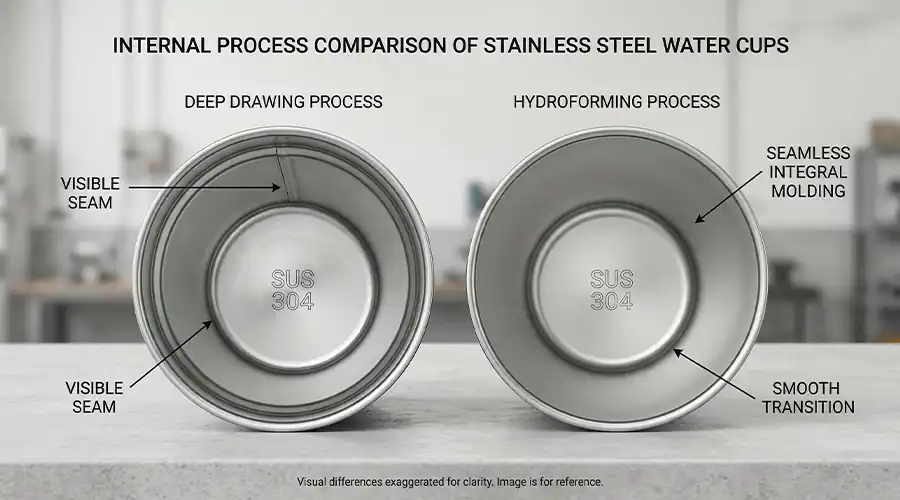
Stainless steel bottles are widely used for reusable drinkware because of their durability and suitability for a range of applications. However, the stainless steel body alone does not provide the assurance of overall product compliance.
Depending on the product design, consumers will need to pay attention to coatings, decorative finishes, metal parts, and manufacturing process. In some vacuum-insulated products, special materials are used in the base or sealing of the product. These details should be evaluated based on the actual construction rather than generalized assumptions about all insulated bottles.
When analyzing documentation provided by the producer, consumers should check which components have been tested and if the test results refer to the purchased product.
Plastic Water Bottles
Plastic bottles could include a range of different materials, from the body itself to lids, drinking spout, seals, and decoration features. The composition of plastic bottles may differ depending on the specific product and the degree of customizing required.
The statement about the BPA-free relates specifically to bisphenol A, not lead. As such, separate consideration lead-related requirements separately, and determine whether testing is necessary for the relevant materials, colors, coatings, or components.
In relation to customized plastic bottles, material specifications and supplier documentation are particularly important when the order involves new colors, finishes, or component combinations.
Lids, Coatings, and Other Components
The lid, handle, seal, printed design, and other accessories can differ from the bottle body in material and manufacturing process. Depending on their composition and intended use, these parts may require separate assessment.
Does a Water Bottle Manufacturer Need a Lead-Free Certification?
Not necessarily. There is no single universal lead-free certificate that applies to every water bottle in every market. Requirements depend on the product category, destination market, applicable regulations, and customer specifications.
In practice, suppliers may support their claims with different types of documentation:
| Document | What Buyers Should Check |
|---|---|
| Lead-free declaration | Which product or components the declaration covers and what evidence supports it |
| Third-party test report | The tested sample, test method, measured results, and applicable limits |
| Regulatory compliance documents | Which market requirements and product specifications the documents address |
| Product certification | The issuing organization, certification scheme, scope, and validity where applicable |
These documents play different roles. Although the supplier may not possess a separate document known as “Lead-Free Certificate,” but may have third-party test reports. On the other hand, a certificate or declaration cannot be considered without looking into the scope and relevancy of the product.
Businesses need to avoid confusing product requirements with those for other categories. For example, there are specific requirements of U.S. lead-free certification that apply to plumbing products and their components in drinking water systems. Those requirements should not automatically applied to regular reusable water bottles.
The most useful first step is to identify what kind of requirements exist for the product intended for a particular market, and then request the supplier for documentation that addresses them.
How to Verify a Supplier’s Lead-Free Claims
Supplier evaluation should focus on traceable evidence rather than labels alone. Before placing a bulk order, buyers can use the following checklist to determine if a supplier’s claims are adequately supported.
1. Confirm the Scope of Existing Test Reports
Ask the supplier if they have a relevant report for the product or a sufficiently representative sample. Review the product name, model, material composition, tested components, testing method, and results.
A report that only covers a raw material may not demonstrate compliance for the entire bottle. If the report relates to a similar model, ask the supplier to explain the differences and determine if additional testing is necessary.
2. Check the Applicable Requirements
The required tests may differ according to the destination market, product construction, intended users, and customer specifications. Do not request a generic “lead-free test” without first clarifying the applicable standard, test method, and acceptance criteria.
For example, the relevance of a lead-related requirement for products sold in the United States depends on the product and its intended use. Suppliers and qualified testing laboratories can help identify the appropriate testing scope.
3. Match the Documents to the Actual Product
Verify that the report matches the materials and components ordered. This is especially important for private-label products, as the same basic bottle design may be offered with different coatings, colors, lids, or decorative finishes.
If a supplier provides a report for a standard model, confirm that the customized version falls within its scope. Do not assume that changing a component has no effect on the applicability of the existing evidence.
4. Ask About Testing When Documentation Is Missing
A manufacturer may not have a lead-free certification for each of its products. This does not automatically mean that the product fails to meet the relevant requirements.
If the existing evidence is insufficient, ask the manufacturer if they can provide representative samples and coordinate testing through a qualified third-party laboratory. Before testing begins, agree on the product configuration, applicable method, required limits, and report format.
This approach is usually more effective than simply asking for a certificate by name without confirming what it needs to demonstrate.

Keeping Customized and Bulk Orders Consistent
Verifying a sample is just one aspect of procurement. Another thing that a company need to consider whether the production order will consist of the same materials and components to those used in the test sample.
Customizing may involve changes that affect the relevance of existing documentation. The choice of new coating, color recipe, lid material, decorative finish, or component supplier may result in a need to revisit the initial testing program. Not all changes automatically requires retesting, but it should be carefully evaluated according to the specific requirements.
Before mass production, buyers should confirm the approved product specifications, specify the components documented by tests conducted previously, and determine how material substitutions will take place. Suppliers should also communicate relevant changes before implementing them.
For repeat orders, keeping product specifications and test reports allows for comparing later batches to the initially approved design. This can prove especially helpful for companies which sell products under their brand names, retail chains, or long-term corporate merchandise programs.
Choosing a Water Bottle Supplier for Your Business
Lead-related documentation is one aspect of evaluating suppliers, along with product quality, customization capabilities, production consistency, lead times, and communication.
Suppliers that can clearly explain their materials, provide relevant documents, and coordinate additional testing when required are easier to evaluate than those that rely solely on broad safety claims. Buyers should also consider whether the supplier can maintain approved specifications throughout production and communicate changes before they affect an order.
Businesses that source customized stainless steel or reusable plastic water bottles can benefit from working with a manufacturer that supports OEM and ODM requirements, as this can help coordinate product specifications, branding, packaging, and compliance-related documentation within the same sourcing process.
Mountop provides customized water bottle solutions for business buyers, including logo, color, and packaging options. Buyers can discuss their target market and documentation requirements before finalizing a product specification or bulk order.


