Key Takeaways
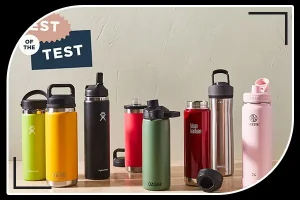
Stainless steel is durable, retains temperature, and doesn’t leach chemicals.
Glass is chemical-free but fragile.
Plastic is lightweight but can absorb odors and degrade.
Silicone is flexible but not great for insulation.
Specialty bottles like UV water bottles purify water on the go.
1. Stainless Steel: The Heavy-Duty Choice
Ever dropped a water bottle and watched it bounce? That’s stainless steel for ya. It’s tough, keeps drinks hot or cold for hours, and doesn’t make your water taste like metal—unless you buy a cheap one.
Pros:
Doesn’t break when you drop it (usually).
Keeps coffee hot, water cold—no weird aftertaste.
Doesn’t absorb smells like plastic.
Cons:
Heavier than plastic (but not as heavy as regret).
Some cheaper ones dent easy.

2. Glass: Clean Taste, Fragile Life
Glass bottles are like that friend who’s great until they crack under pressure. They don’t leach chemicals, but one wrong move and it’s over.
Pros:
Zero weird flavors—water tastes like water.
Easy to clean, no stains.
Cons:
Breaks if you breathe on it wrong.
Heavy compared to plastic.
3. Plastic: Light but Sketchy
Plastic bottles are everywhere because they’re cheap and light. But ever leave one in a hot car and take a sip later? Tastes like regret and chemicals.
Pros:
Lightweight, easy to carry.
Cheap to replace.
Cons:
Can absorb smells (like that protein shake from 3 weeks ago).
Some types leach chemicals over time.

4. Silicone: Bendy but Not the Best Insulator
Silicone bottles fold up, which is cool if you’re into that. But they don’t keep things hot or cold for long.
Pros:
Collapsible, saves space.
Doesn’t break.
Cons:
Not great for temperature control.
Can pick up weird smells.
5. Specialty Bottles: UV, Smart, and More
Some bottles do more than hold water. The UV water bottle purifies water with UV light—great for hiking. Others, like the electric shaker bottle, mix protein shakes for you.
Best for:
Travelers who need clean water.
Gym-goers who hate shaking bottles manually.

6. Double-Wall vs. Single-Wall: What’s the Difference?
Double-wall bottles (like most stainless steel ones) keep drinks hot or cold longer. Single-wall? Not so much.
Double-wall:
Better insulation.
No condensation sweat on the outside.
Single-wall:
Lighter.
Cheaper, but drinks get warm fast.
7. Which Material is Easiest to Clean?
Stainless steel and glass win here. Plastic can stain, and silicone picks up smells.
Cleaning tips:
Use baking soda for stainless steel stains.
Avoid harsh scrubbers on glass—it scratches.

8. What’s the Best Material for You?
Daily use? Stainless steel.
Travel? Collapsible silicone or UV bottle.
Budget? Plastic (but replace often).
FAQs
Q: Do stainless steel bottles make water taste metallic?
A: Good ones don’t. Cheap ones might.
Q: Can you put hot liquids in plastic bottles?
A: Not all—some warp or leach chemicals.
Q: Are UV water bottles worth it?
A: If you hike or travel where water’s sketchy, yes.
Q: How often should I replace my water bottle?
A: Plastic every 6-12 months. Stainless steel lasts years.
Want something that lasts? Check out the stainless steel storage thermos.