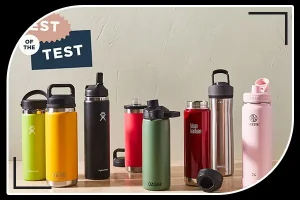
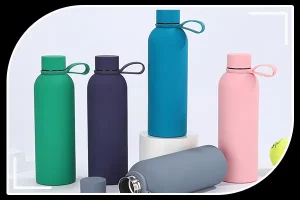
In the hierarchy of daily essentials, the thermos water bottle has moved from a “nice-to-have” camping accessory to a “can’t-live-without” lifestyle staple. Whether it’s sitting on the mahogany desk of a CEO or clipped to the carabiner of a mountain climber, this vessel has become a symbol of health, sustainability, and personal efficiency.
But in a market flooded with cheap imitations and high-priced status symbols, how do you distinguish between a bottle that just looks good and one that actually performs? This guide dives deep into the science, the selection, and the soul of the modern vacuum-insulated flask.

1. The Science of Silence: How Vacuum Insulation Works
To appreciate a high-quality thermos, you have to understand the “magic” happening between its walls. Heat transfers in three ways: conduction, convection, and radiation. A standard plastic or single-walled metal bottle fails because it allows all three to happen freely.
The modern thermos water bottle utilizes double-wall vacuum insulation. By sucking the air out of the space between two layers of stainless steel, manufacturers create a “dead zone.”
- Conduction & Convection: Since there are no air molecules in a vacuum to vibrate or move, heat cannot travel from the inside out (keeping your coffee hot) or from the outside in (keeping your water icy).
- The Result: We aren’t just talking about a few hours of performance. Top-tier bottles can maintain ice for 24–48 hours and keep liquids piping hot for a full 12-hour workday.
2. Material Matters: 18/8 Stainless Steel and Beyond
If you look at the bottom of a premium thermos, you’ll likely see the numbers 18/8. This refers to the composition of the stainless steel: 18% chromium and 8% nickel. This specific grade, often called “food-grade 304 stainless steel,” is the gold standard for several reasons:
- Neutrality: It doesn’t react with acidic drinks. You can enjoy a lemon-infused water in the morning and a cold brew coffee in the afternoon without the “metallic” aftertaste often associated with cheaper aluminum bottles.
- Corrosion Resistance: It won’t rust even after years of being filled with water.
- Durability: Unlike glass liners (which were common in old-school thermoses), stainless steel can survive a fall from a hiking trail or a tumble off a car roof.
3. Finding Your “Hydration Persona”
Not every bottle fits every life. Choosing the right one requires a bit of self-reflection on your daily habits.
A. The Office Warrior
For the commuter, the priorities are aesthetics and cup-holder compatibility. You want a bottle that looks professional in a meeting but fits securely in your car’s center console. Look for “slim” designs and a leak-proof lid that guarantees your laptop won’t be ruined by a stray drip.
B. The Fitness Enthusiast
When you’re mid-sprint on a treadmill, you don’t want to be unscrewing a cap. Look for one-handed operation or a high-flow straw lid. Ergonomics are key here—a powder-coated finish provides a “grippy” texture that won’t slip out of sweaty hands.
C. The Rugged Adventurer
If your bottle is going to be banged against rocks or tossed into a truck bed, go for high-volume (32oz or 40oz) and a wide-mouth design. Wide mouths are easier to fill with ice cubes from a cooler and allow for faster cleaning in the backcountry.
4. The Hidden Details: Lids, Boots, and Coatings
The “bottle” is only half the story. The accessories often define the user experience.
- The Lid: This is where most heat escape happens. A well-insulated lid with a high-quality silicone gasket is the difference between “lukewarm” and “steaming.”
- Powder Coating: This is the colorful, matte finish found on many premium brands. It’s baked onto the steel, making it incredibly resistant to scratches and “sweating” (condensation on the outside).
- Silicone Boots: A small silicone sleeve on the bottom of the bottle acts like a muffler—preventing that loud clank when you set it down and protecting the base from dents.
5. The Economics of Reusability
While $30 or $50 might seem steep for a water bottle, the math tells a different story.
- The Cost of Convenience: If you buy two bottles of water a day at $1.50 each, you are spending over $1,000 a year. A thermos pays for itself in less than a month.
- The Environmental Toll: A single person using a reusable thermos can save an average of 156 plastic bottles from entering the ocean every year. Over a decade, that’s a mountain of plastic you’ve personally diverted.
6. Maintenance: How to Keep it Forever
A high-quality thermos can literally last a lifetime if you treat it right.
- The Dishwasher Debate: Even if a bottle is labeled “dishwasher safe,” the intense heat and harsh detergents can eventually break down the vacuum seal or dull the powder coating. Hand washing is the secret to longevity.
- Deep Cleans: For stubborn coffee stains, use a mixture of warm water and baking soda. Let it sit overnight, and the stains will wipe away without the need for abrasive scrubbing that could scratch the steel.
- Avoid the Freezer: Never put your thermos in the freezer. The liquid inside can expand as it freezes, potentially bulging the steel and ruining the vacuum seal.
Conclusion
The thermos water bottle is a rare example of a product where “buying the best” actually saves you money and helps the planet. It is a tool of temperature-controlled independence. Whether you’re chasing a sunset on a mountain top or just trying to survive a three-hour board meeting, having a drink that is exactly the temperature you want it to be is a small, daily luxury that shouldn’t be overlooked.
Invest in quality, stay hydrated, and never settle for lukewarm again.