Key Takeaways
- Stainless steel water bottles use food-grade 304 steel for safety and durability.
- Factories often combine vacuum insulation with double-wall tech for temperature control.
- Custom designs require direct collaboration with production teams for quality prints.
- Advanced models include smart temperature displays and UV sterilization.
- Bulk orders take 15-30 days depending on customization complexity.
How Factories Make Stainless Steel Water Bottles (And Why It Matters)
Ever wonder why your coffee stays hot 12 hours in a stainless steel coffee cup? Factories start with 304-grade steel sheets – they’re rolled into cylinders using hydraulic presses at 800psi. Workers laser-weld seams so precise, you’d need a magnifying glass to spot ‘em.
The vacuum insulation chamber? They suck out air til the pressure hits 10^-3 pa – creates a thermal barrier better than grandma’s wool mittens. I’ve seen bottles out of Shenzhen factories that keep ice frozen 48 hours – no magic, just physics.
Click image to see our 36-hour insulation thermos
5 Features You Only Get From Professional Factories
- Laser-Engraved Logos – Won’t fade like cheap stickers. Needs industrial fiber lasers costing $20k+
- Threadless Lids – Molded via gas-assisted injection. No more cross-threaded caps!
- Non-Slip Bases – Food-grade silicone fused during the powder-coating stage
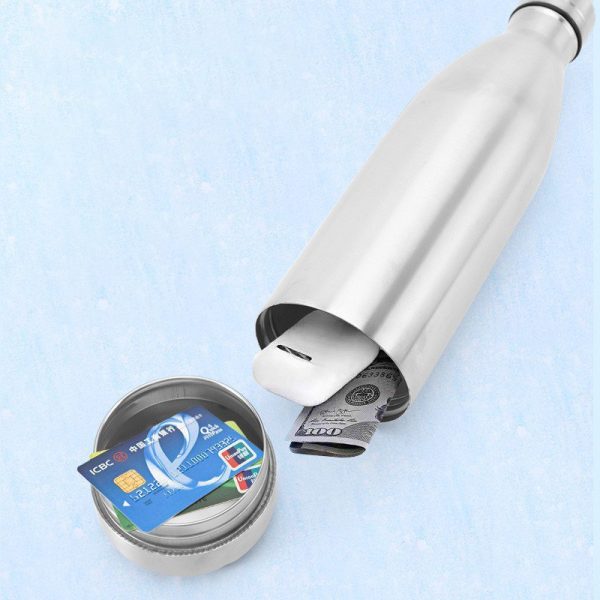
- Hidden Compartments – Like our wallet storage bottle with RFID blocking
- Pressure Tested – Each batch sample gets 150psi air pressure checks
Tried a bottle that reminds you to drink? Our hydration reminder model vibrates every 45 mins – saved me from dehydration headaches during factory audits.
Custom Designs: What Factories Can (And Can’t) Do
“Can y’all print my dog’s face on it?” Yes, but – screen printing works for simple designs. Full-color photos need sublimation tumblers with special polymer coatings.

Click to customize your own tumbler
Factory limitation alert: Metallic colors require anodizing, which only works on aluminum. For stainless steel, you’re stuck with etched or epoxy prints. Pro tip: Matte finishes hide scratches better than glossy.
Smart Tech in Modern Water Bottles
Visited a Dongguan factory last spring – they’re putting Bluetooth speakers in water bottles. Sounds gimmicky til you’re hiking and your bottle plays Spotify.
Current game-changers:
- Self-Cleaning – UV-C models zap 99.7% bacteria in 3 mins
- Magnetic Lids – Strong enough to hold bottles upside down (tested it on a ferry ride)
- Auto Mixing – Our electric shaker bottle blends protein shakes in 8 seconds
Stainless Steel vs. Glass: Factory Production Differences
Made both – stainless lines run faster (500 units/hr vs 120 for glass). Glass requires annealing ovens to prevent stress cracks. But glass bottles need extra packaging – one pallet holds 200 vs 350 steel bottles.
Cost Breakdown (Per Unit)
| Material | Mold Cost | Production Cost | Defect Rate |
|---|---|---|---|
| Steel | $0 | $2.80 | 0.8% |
| Glass | $3,200 | $4.15 | 6% |
Factory QA Processes You’d Never Guess
Three checks that surprised me:
- Taste Tests – Random bottles filled with boiling water to check metallic aftertaste
- Drop Tests – 6-foot concrete drops (simulates falling from hiking packs)
- Lid Chew Tests – Machines simulate 5 years of teeth-gnawing on silicone seals
Our kids’ bottles undergo extra lead/cadmium checks – XRF scanners cost $55k but prevent recalls.
Bulk Ordering: Behind the Scenes Timeline
“How long really?” Here’s the real deal:
- Day 1-3 – Material procurement (steel prices fluctuate daily!)
- Day 4-7 – Tooling setup (custom molds take 72hrs to machine)
- Day 8-12 – Production + quality checks
- Day 13-15 – Shipping prep (sea freight takes 28 days to US)
Need it faster? Air shipping adds $2.75/unit – only worth it for urgent 500-piece orders.
Why “Food Grade” Doesn’t Mean What You Think
316 steel isn’t automatically food-safe – it’s about the polishing. Factories use electrolytic passivation to remove surface iron particles. Check for:
- Ra ≤0.4μm surface roughness (prevents bacterial buildup)
- 3% nitric acid tests – detects improper chromium ratios
- Third-party certs – SGS reports beat marketing fluff
Our thermos for tea uses 304 steel with mirror polishing – keeps oolong flavor pure for 8+ hours.
FAQs
Q: Are stainless bottles safer than plastic?
A: Yes – provided they use 304/316 steel. Cheaper 201 steel can leach manganese.
Q: Can I put carbonated drinks in them?
A: Only bottles with pressure-release caps like our sports shaker.
Q: How to remove coffee stains?
A: 1:1 vinegar/water soak. Avoid abrasive pads – they scratch the passive layer.
Q: Do colored bottles chip?
A: Powder-coated ones can. Our tumbler line uses PVD coating – lasts 5x longer.
Q: Why does my bottle sweat?
A: Broken vacuum seal. We pressure-test every insulated model.
Q: Can I microwave stainless bottles?
A: Nope – metal + microwaves = disaster. Use our glass option instead.
Q: Are smart batteries replaceable?
A: In models like our display bottle – yes. Requires Torx T3 screwdriver.
Q: Minimum order quantities?
A: Standard designs start at 500 units. Full custom – 1,000+.