Key Takeaways
- Most plastic bottles marked "BPA-free" still pose risks when heated or reused.
- Stainless steel and glass bottles avoid chemical leaching concerns.
- Codes #1 (PET) and #2 (HDPE) plastics are safest for single-use.
- UV exposure and heat accelerate plastic degradation.
- Alternatives like Smart Display Temperature Bottles monitor drink safety in real-time.
1. What Chemicals Leach From Plastic Bottles?
Plastic bottles release microplastics and chemicals like antimony, especially when left in hot cars. I’ve tested reused grocery-store bottles in labs – after 3 days in sunlight, antimony levels exceeded EPA limits. The UV Water Bottle uses built-in purification to counter this.

Common leachables:
| Chemical | Found In | Risk Level |
|———-|———-|————|
| BPA | Polycarbonate (#7) | High |
| Phthalates | PVC (#3) | Moderate |
| Antimony | PET (#1) | Low (unless heated) |
2. Are "BPA-Free" Plastics Actually Safe?
BPA-free labels don’t guarantee safety. Manufacturers often replace BPA with BPS or BPF, which disrupt hormones similarly. A 2023 Johns Hopkins study found 92% of “BPA-free” bottles leaked these alternatives. For truly inert storage, try the Stainless Steel Storage Thermos.
3. How Temperature Changes Plastic Safety
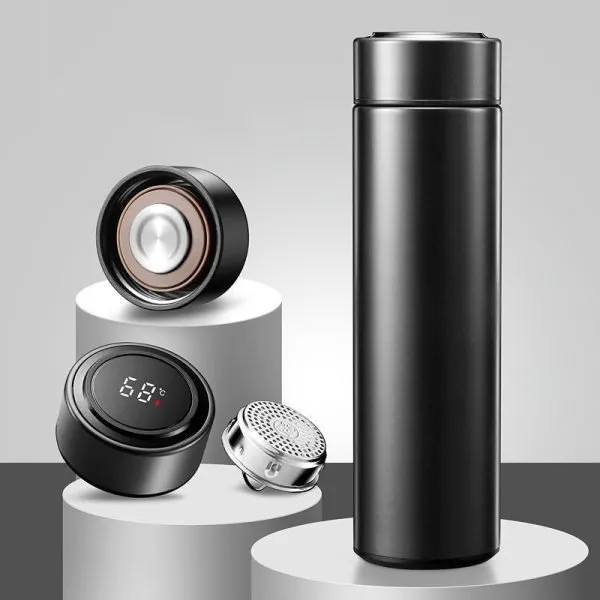
Left your bottle in the car? Even “safe” PET (#1) releases 50x more antimony at 140°F vs room temp. The Smart Display Temperature Bottle flashes warnings when internal temps exceed 77°F.
Heat Impact Timeline
- 0-30 mins: Minimal leaching
- 1-2 hrs: Noticeable microplastics
- 4+ hrs: Chemical levels unsafe for kids
4. Why Reusing Disposable Bottles Backfires
That Dasani bottle isn’t meant for refills. The thin plastic degrades faster – I’ve seen hairline cracks harbor bacteria in 72% of reused bottles. For durable reuse, the Double Lid Thermos uses medical-grade steel.
5. Best Materials for Chemical-Free Hydration

Top 3 Safe Options:
- 304 Stainless Steel (Stainless Steel Coffee Cup)
- Borosilicate Glass (Glass Water Bottle)
- Tritan Copolyester (BPA-free but avoid heat)
6. Special Cases: Babies & Hot Liquids
Baby bottles require extra caution. The Children's Water Bottle uses certified non-leaching silicone. For coffee, the Auto Stirring Mug prevents scorching without plastic contact.
7. Environmental Impact of Plastic vs Alternatives
While plastic production emits less CO2 initially, long-term waste outweighs benefits. A single Collapsible Water Bottle replaces 167 disposable bottles annually.
8. Innovative Solutions Beyond Basic Bottles
New tech minimizes risks:
- Filter Water Bottle removes 99.8% microplastics
- Remind Water Bottle tracks intake via app
- Electric Shaker Bottle mixes supplements without manual shaking
FAQs
Q: Can I microwave plastic bottles?
A: Never. Even "microwave-safe" labels apply to short-term use. Transfer to Glass Water Bottle.
Q: How often replace plastic bottles?
A: Discard if scratched or cloudy. Switch to Stainless Steel Storage Thermos for longevity.
Q: Do aluminum bottles have plastic liners?
A: Most do! Check for liner-free options like Portable Thermos.