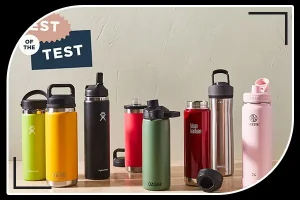
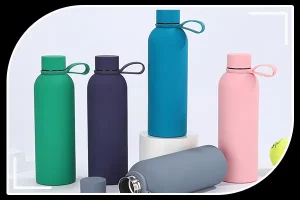
Reusable water bottles are no longer just a trend. They have become a standard product in outdoor, fitness, corporate gifting, and retail markets. As more consumers move away from disposable plastic bottles, the demand for durable metal water bottles continues to grow year after year.
For brands and wholesalers, this growing market creates plenty of opportunities. However, before launching a new product line, there is one important decision to make: choosing the right metal water bottle manufacturer.
A quick search online brings up hundreds of suppliers. Some are real factories, some are trading companies, and some offer little more than stock products with a logo added on. On the surface, many of them look similar. The challenge is figuring out which supplier can actually support your business in the long run.
This guide covers what metal water bottle manufacturers do, what to look for when evaluating suppliers, and how to avoid common sourcing mistakes.

Why Metal Water Bottles Are So Popular
A few years ago, plastic bottles dominated the market. Today, stainless steel bottles can be found almost everywhere—from gyms and offices to hiking trails and airports.
There are several reasons behind this shift.
First, metal water bottles are significantly more durable than plastic alternatives. A quality stainless steel bottle can last for years with proper care.
Second, consumers are paying more attention to sustainability. Reusable metal bottles help reduce single-use plastic waste, which appeals to environmentally conscious buyers.
Third, insulated metal bottles offer excellent temperature retention. Many modern vacuum-insulated bottles can keep drinks cold for up to 24 hours and hot for 12 hours or more.
For brands, these advantages make metal water bottles easier to market and position as premium products.
Not Every Supplier Is a Manufacturer
One thing many first-time buyers don’t realize is that not every company advertising water bottles actually makes them.
Some businesses operate their own factories and manage production directly. Others act as middlemen, sourcing products from various factories and reselling them.
Both business models have their place, but it’s important to know who you’re dealing with.
A genuine manufacturer usually has:
- Production facilities
- Engineering teams
- Quality control departments
- Product development capabilities
- Direct access to production schedules
A trading company may offer convenience, but communication often passes through multiple layers before reaching the factory floor.
If you’re planning long-term cooperation, direct factory relationships typically provide better control over quality, pricing, and customization.
A simple question can often reveal the answer:
“Can you show photos or videos of your production line?”
Most legitimate manufacturers are happy to provide them.
Understanding Stainless Steel Materials
When discussing metal water bottles, stainless steel is by far the most common material.
The two grades buyers encounter most often are 304 stainless steel and 316 stainless steel.
304 Stainless Steel
304 stainless steel is widely used throughout the food and beverage industry.
Its advantages include:
- Food-safe construction
- Strong durability
- Good corrosion resistance
- Competitive pricing
Most insulated water bottles on the market use 304 stainless steel for both performance and affordability.
316 Stainless Steel
316 stainless steel contains additional molybdenum, which improves corrosion resistance.
This material is often chosen for:
- Premium water bottles
- Marine environments
- Medical applications
- High-end consumer products
While 316 stainless steel costs more, many brands use it to differentiate premium product lines.
| Feature | 304 Stainless Steel | 316 Stainless Steel |
|---|---|---|
| Food Safe | Yes | Yes |
| Corrosion Resistance | Good | Excellent |
| Cost | Lower | Higher |
| Premium Positioning | Moderate | Strong |
For most projects, either material works well. The choice usually depends on budget and target market positioning.
How Metal Water Bottles Are Made
Understanding the manufacturing process can help buyers evaluate supplier capabilities.
Production usually starts with food-grade stainless steel tubes.
The tubes are cut, shaped, and stretched into bottle bodies using specialized machinery. For insulated bottles, manufacturers create both inner and outer walls.
After forming, the bottle components are welded together. A vacuum is then created between the inner and outer walls to improve insulation performance.
The bottles move through polishing and surface treatment processes before receiving coatings or custom finishes.
Popular surface treatments include:
- Powder coating
- Spray painting
- Brushed steel finishes
- Matte finishes
- Rubberized coatings
Finally, logos are applied through laser engraving, screen printing, or UV printing before the bottles undergo quality inspection and packaging.
Although the process sounds straightforward, maintaining consistency at every stage requires experience and strict quality control.
What Makes a Good Metal Water Bottle Manufacturer?
Every supplier claims to offer high quality. In reality, quality levels vary significantly.
Here are several factors worth paying attention to.
Manufacturing Experience
Experience matters.
Factories that have been producing drinkware for many years tend to have more stable processes and stronger quality systems.
An experienced supplier has likely dealt with:
- Custom projects
- Large production runs
- International compliance requirements
- Product testing standards
That experience often helps prevent costly mistakes.
Quality Control Systems
A good-looking sample doesn’t always guarantee consistent production quality.
Ask suppliers how they manage quality throughout production.
Reliable manufacturers usually have multiple inspection stages, including:
- Incoming material inspection
- Production process inspection
- Final product inspection
- Packaging inspection
The goal is to identify issues before products leave the factory.
Certifications
Many buyers focus only on product appearance and price.
However, certifications can be equally important.
Common certifications include:
- FDA
- LFGB
- REACH
- BPA-Free testing
- ISO9001
- BSCI
Depending on your target market, some certifications may be mandatory.
Always request documentation rather than assuming compliance.
Production Capacity
Imagine your product becomes successful and demand suddenly doubles.
Can your supplier handle it?
Before placing large orders, ask about:
- Monthly production capacity
- Number of production lines
- Average lead times
- Peak-season schedules
A factory’s ability to scale production can become critical as your business grows.
Customization Options Matter More Than Ever
Today’s buyers expect more than a plain stainless steel bottle.
Customization has become one of the biggest selling points in the industry.
Most established manufacturers offer options such as:
Custom Logo Printing
Popular branding methods include:
- Laser engraving
- Silk screen printing
- UV printing
Each method has different costs and visual effects.
Custom Colors
Powder coating technology allows brands to create unique color combinations that align with brand identity.
Lid Options
Different markets often prefer different lid styles.
Common choices include:
- Straw lids
- Flip lids
- Screw caps
- Carry-handle lids
Custom Packaging
Packaging plays a major role in perceived value.
Many manufacturers can provide:
- Retail gift boxes
- Kraft paper packaging
- Color-printed boxes
- Eco-friendly packaging solutions
These details may seem small, but they often influence purchasing decisions.
OEM vs ODM: Which Is Better?
Most metal water bottle manufacturers offer both OEM and ODM services.
OEM manufacturing allows brands to develop products according to their own specifications.
This option provides maximum flexibility but usually requires more development time and investment.
ODM manufacturing uses existing factory designs.
Buyers can customize logos, colors, and packaging while avoiding mold development costs.
For startups and smaller brands, ODM is often the faster route to market.
For established brands seeking unique products, OEM may provide stronger differentiation.
Neither approach is inherently better. The right choice depends on your business goals.
Why Many Brands Source Water Bottles from China
China remains one of the world’s largest drinkware manufacturing centers.
There are several reasons why international buyers continue sourcing from Chinese factories.
The supply chain is highly developed.
Raw materials, accessories, packaging suppliers, and logistics providers are often located within the same manufacturing regions.
Production efficiency is another advantage. Many factories operate automated production lines capable of handling large orders while maintaining competitive pricing.
In addition, experienced Chinese manufacturers often have extensive export experience and understand the requirements of North American, European, and Australian markets.
For many brands, this combination of quality, flexibility, and cost efficiency is difficult to match elsewhere.
Questions Worth Asking Before You Place an Order
Before selecting a manufacturer, it’s worth having a detailed discussion.
Some useful questions include:
- What is your MOQ?
- Can you provide product samples?
- What certifications do your products have?
- Do you support OEM and ODM projects?
- What is your average lead time?
- How do you handle quality inspections?
- Can you develop custom molds?
- What happens if products arrive with defects?
The answers often reveal far more than a supplier’s website ever will.
Why More Brands Partner With Mountop
At Mountop, we have been helping brands develop and manufacture custom water bottles since 2008.
Our product range includes:
- Stainless steel water bottles
- Vacuum insulated bottles
- Smart water bottles
- UV self-cleaning water bottles
- Sports bottles
- Promotional drinkware
We support both OEM and ODM projects and offer customization options including logos, colors, packaging, and product development.
With food-grade 304 and 316 stainless steel materials, strict quality control procedures, and international export experience, we help customers bring reliable products to market efficiently.
Whether you’re launching a new brand or expanding an existing product line, our team works closely with customers from concept to production.
Final Thoughts
Finding the right metal water bottle manufacturer isn’t just about comparing prices.
A reliable supplier can help improve product quality, shorten development timelines, support customization, and reduce long-term business risks.
Take the time to evaluate manufacturing experience, quality systems, certifications, and production capabilities before making a decision.
The lowest quote isn’t always the best choice. In many cases, a dependable manufacturing partner creates far more value than a small saving on unit cost.
As the reusable drinkware market continues to grow, choosing the right manufacturing partner could be one of the most important decisions your brand makes.