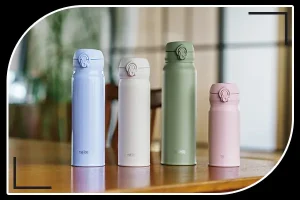
In the global race towards sustainability and wellness, the reusable stainless steel water bottle has transformed itself into a health-oriented tool rather than just a simple container. Depending on whether it is a thermal flask for extreme temperatures or a smart water bottle with UV sterilization, it is the chemical properties of the stainless steel that define the safety of the consumer.
So, why do some metal water bottles cost so much compared to others? The answer lies in the chemical composition of the steel.
Quick Comparison: 201 vs. 304 vs. 316 Stainless Steel
To help you make an informed decision for your brand or personal use, here is the breakdown of the most common steel grades used in the industry:
| Feature | 201 Stainless Steel | 304 (18/8) Stainless Steel | 316 (Medical) Stainless Steel |
|---|---|---|---|
| Material Composition | High Manganese, Low Nickel | 18% Chromium, 8% Nickel | 18% Cr, 10% Ni, 2% Molybdenum |
| Corrosion Resistance | Low (Prone to rust) | High (Standard) | Extreme (Acid & Salt resistant) |
| Safety Level | Non-Food Grade (Industrial) | Food-Grade Standard | Medical/Surgical Grade |
| Common Use | Cheap hardware, low-end pots | Standard Insulated Bottles | Premium Thermal Flasks, Coffee |
| Flavor Retention | May have metallic taste | Pure, no metallic taste | Zero flavor transfer |
| Mountop Standard | NEVER USED | Primary Standard | Premium Choice |
Seeing is Believing: The 24-Hour Salt Water Challenge
At Mountop, we don’t just claim quality—we prove it. To demonstrate the importance of proper material choice for a high performance bottle, we decided to run a 24-hour salt stress test.
We immersed the three materials into the high concentration saline solution (mimicking extreme sweating and acid environment), leaving the samples soaking for 24 hours.
The Results:
- 201 Stainless Steel (Failed): After just 24 hours, the 201 steel showed corroding significantly. Its surface got numerous orange spots and holes. Moreover, the solution turned murky and filled with rusted particles. As you see, cheap metal water bottles made from such a material will sooner or later start leaking hazardous heavy metals.
- 304 Stainless Steel (Standard Pass): No changes were noticed on this piece in 24 hours – which explains why it is the widely accepted food-grade steel for insulated water bottles.
- 316 Stainless Steel (Excellent Pass): In fact, this material did not even lose its original bright shine after being soaked in such harsh conditions. The additional Molybdenum gives 316 steel a top protection from external threats.
Deep Dive: Why the Grade Matters for Your Health
1. 201 Stainless Steel: The Industrial Material
Instead of using costly Nickel, 201 Steel uses Manganese as an alloy to reduce costs. However, it is very prone to corrosion. When exposed to corrosive substances such as acid or moisture (like fruit juice), it releases toxins like heavy metals into the drink. Mountop does not use 201 steel in its manufacturing process to ensure its safety.
2. 304 (18/8) Stainless Steel: The Best Choice
Also called 18/8 Food-Grade Stainless Steel, 304 is considered the world standard. It is BPA-free, lead-free and corrosion-resistant material, ideal for making a leak-proof travel bottle.
3. 316 Stainless Steel: The Premium Medical Grade
The presence of Molybdenum gives this type of stainless steel its exceptional durability against corrosion. As a result, it is often used for medical purposes due to its high tolerance to chemicals. For your high-end vacuum flask, rest assured knowing that your bottle interior will be as pristine as when you buy the product, years later of holding coffee, tea, or sports drinks.
About Mountop: Your Global Partner in Premium Hydration
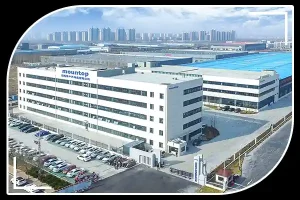
Where safety and innovation are paramount, our worldwide B2B customers choose to collaborate with Mountop. Founded in 2008, Mountop is a reliable water bottle manufacturer offering comprehensive services of designing, developing, and manufacturing high-quality bottles for global clients.
After almost two decades of experience in the industry, we are not just a factory—we are a complete OEM/ODM partner. The whole process from 3D modeling and prototypes to mass production will be handled by our in-house designers and engineers.
Why Global Brands Trust Mountop:
- Uncompromising Quality: Our factory is ISO9001 certified, and our products meet the most stringent international standards, including FDA, CE, FCC, RoHS, and BPA Free requirements.
- Advanced Innovation: Beyond standard stainless steel, we lead the market in Smart Water Bottles, featuring UV sterilization, integrated temperature displays, and smart hydration reminders.
- B2B Customization: We offer flexible customization, from logo printing and bespoke colorways to unique packaging designs and patented structural innovation.
- Material Versatility: While we specialize in premium 304 and 316 stainless steel, our expertise extends to high-grade plastics and food-grade silicone.
At Mountop, we take pride in speedy response, steady quality control, and superior after sales services. In helping to create competitive and reliable brand names for our clients, we provide them with products which are functional and safe by nature.
Final Checklist: How to Source a Safe Bottle
- Verify the Stamp: Premium vacuum flasks should have “SUS 304” or “SUS 316” engraved on the inner bottom.
- Check Certifications: Make sure your supplier is able to supply you with FDA and BPA free test results.
- Inquire About R&D: A partner like Mountop, with patented designs and strong R&D, ensures your product is at the forefront of safety and technology.
Is your brand ready to lead the market with the safest hydration technology?