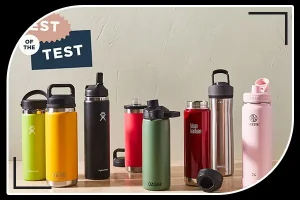
In today’s booming hydration market, one question keeps popping up everywhere—from TikTok reviews to Reddit debates and real-world buyers: Is Stanley better than Yeti? Both brands dominate the insulated bottle world, but they offer very different strengths in durability, insulation, design, and lifestyle appeal. This guide breaks down every major factor to help you decide which bottle truly fits your needs.

Brand Background: Two Giants with Different DNA
Stanley is over a century old, known for rugged outdoor gear, steel durability, and the iconic green thermos that became a generational symbol. Yeti, founded in 2006, rose quickly by focusing on premium engineering, extreme durability, and “built-for-adventure” branding.
While Stanley leans toward lifestyle and mainstream use today (thanks to the viral Quencher), Yeti still positions itself as a premium-performance brand. This difference influences their design, pricing, and reputation.
Durability: Which Bottle Lasts Longer?
Yeti bottles are famously overbuilt. Their powder coating is thick, scratch-resistant, and rarely chips. The stainless steel walls feel heavier and more solid than most competitors. If you want a bottle that can survive drops, rough hikes, or being thrown in a truck bed, Yeti often wins.
Stanley is also durable—but in a more practical, everyday sense. It performs well, though its coating can scratch more easily, and its lighter weight means slightly less structural strength.
Winner: Yeti for extreme durability, Stanley for daily lifestyle durability.
Insulation Comparison: Which Stays Cold or Hot Longer?
Both brands use vacuum insulation, but Yeti often holds a temperature longer—especially with cold drinks. Independent tests frequently show Yeti outperforming Stanley by a few hours.
However, Stanley tends to focus on usability features, like large capacities, straws, and the famous handle, which make it more convenient for everyday hydration.
Winner: Yeti (slightly stronger insulation performance)
What Is So Special About a Stanley Water Bottle?
Stanley has a unique charm that goes beyond pure performance:
- The oversized carry handle makes it easy to grab and carry with one hand
- The straw drinking system is extremely convenient for all-day sipping
- It fits into most car cup holders, even in large sizes like the 40oz
- It has become a lifestyle icon, especially popular among students, office users, and social media communities
In short, Stanley’s appeal is usability + aesthetic + cultural impact—something Yeti doesn’t lean into as strongly.
Are Stanley Water Bottles Worth It?
For most everyday users, yes—Stanley bottles are worth it.
You’re paying for:
- Large capacity options
- Highly usable design
- Easy hydration with the straw
- A bottle that matches outfits, gym bags, and trending colors
- Good insulation without being overly heavy
If your priority is daily hydration and convenience, a Stanley bottle is absolutely worth the investment.
Why Is Stanley Bottle So Costly?
Several factors contribute to the higher price:
- Material quality – 18/8 stainless steel and durable powder coating
- Complex design – especially the handle, lid structure, and straw system
- Brand value and demand – Stanley’s popularity skyrocketed, increasing production and marketing costs
- Viral-driven demand – limited colors and drops create hype similar to fashion brands
So the cost isn’t just for the bottle—it’s for design, engineering, branding, and lifestyle appeal.
Design & User Experience Differences
Stanley strengths:
- More ergonomic for daily use
- Easier to carry thanks to the big handle
- Lightweight relative to size
- More color options and seasonal drops
Yeti strengths:
- Thick walls feel premium
- Tighter sealing and stronger lid structure
- Great for rugged outdoor use
Who wins?
Depends on your lifestyle:
- Daily sipping? Stanley
- Camping, hiking, heavy use? Yeti
Price & Value: Which Brand Is More Worth It?
Yeti is almost always more expensive because it targets performance-first buyers.
Stanley, while cheaper, offers better practical value for most people.
If you want the toughest bottle? Yeti.
If you want the most convenient and stylish bottle? Stanley.
Final Verdict — So, Is Stanley Better Than Yeti?
There is no absolute winner.
Stanley is better for daily hydration, convenience, and style,
while Yeti is better for durability, insulation, and outdoor performance.
Both brands are excellent—but the “better” choice depends on your lifestyle.
About Mountop — Professional Water Bottle Manufacturer Since 2008
If you’re looking for OEM or ODM insulated water bottles, UV sterilization bottles, or smart hydration products, Mountop is one of China’s leading manufacturers.
Why choose Mountop?
- 17+ years of production experience
- Full OEM/ODM support: structure design, mold development, packaging customization
- Stainless steel, Tritan, silicone, and smart bottle solutions
- Factory certifications including ISO9001, FDA, CE, ROHS, FCC
- Fast lead time & stable quality
- Support for free laser logo
Whether you’re building a brand or expanding your product line, we can help you create high-quality, market-ready bottles.
📩 Contact: sales18@mountopchina.com