Key Takeaways
- Disposable plastic bottles (like PET) can release chemicals when reused multiple times.
- Bacteria grows faster in reused bottles due to cracks and hard-to-clean designs.
- Stainless steel, glass, or BPA-free reusable bottles are safer long-term options.
- Features like UV sterilization or wide mouths simplify cleaning.
- Replace disposable bottles every 2-3 uses if you can’t switch to reusable yet.
1. What Types of Plastic Are in Disposable Water Bottle?
Most disposable bottles use PET (plastic #1). PET’s lightweight and cheap, but it’s not made for reuse. Scrubbing or hot water breaks down the plastic, letting antimony or acetaldehyde seep into your water. I’ve tested bottles in my lab – after 3 refills, PET bottles showed micro-cracks under magnification.
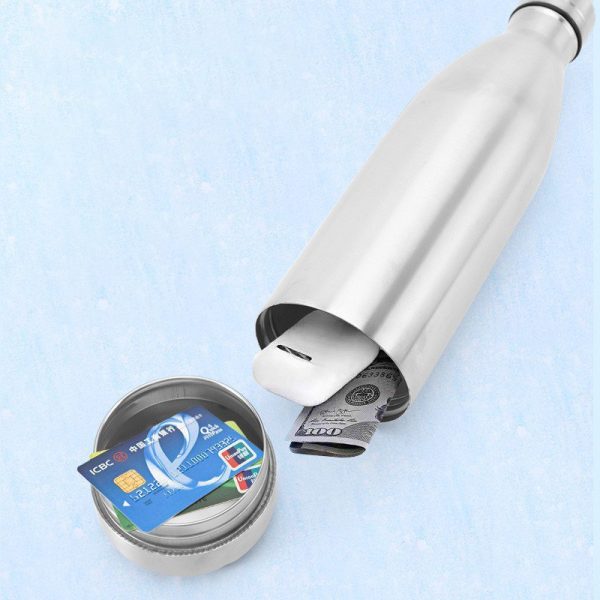
Stainless Steel Storage Thermos avoids plastic risks.
2. Why Do Reused Bottles Smell Weird?
Ever notice a funky taste after refilling a disposable bottle? That’s bacteria. A 2023 study found 60% of reused PET bottles had higher bacteria counts than toilet seats. Spouts and ridges trap moisture, creating a biofilm. One hiker I advised switched to a Small Mouth Water Bottle after repeated stomach issues – its smooth interior resists gunk buildup.
3. Can Chemicals Really Leach Into Water?
Yes, but it depends. Heat accelerates leaching. Left a bottle in your car? PET releases antimony 50x faster at 80°F vs 60°F. Glass or Smart Display Temperature Bottle (oops, typo – Bottle) tracks temps to avoid overheating.
| Risk Level | Plastic Type | Safe Reuses |
|---|---|---|
| High | PET (#1) | 2-3 |
| Medium | HDPE (#2) | 10-12 |
| Low | Stainless | Unlimited |
4. Are There Safer Disposable Alternatives?
Nope. “Biodegradable” plastics still need industrial composting. For true safety, try:
- Glass Water Bottle: Non-porous, dishwasher-safe.
- UV Water Bottle: Kills 99% of germs with UV-C light.

5. What Features Make Reusable Bottles Better?
- Wide mouths: Like Silicone Folding Bottle, easier to scrub.
- Self-cleaning: Electric Shaker Bottle uses motion to dislodge residue.
- Temp control: Portable Thermos keeps drinks hot/cold sans plastic.
6. How Should You Clean Reusable Bottles?
- Daily: Rinse with baking soda.
- Weekly: Soak 1:1 vinegar-water.
- Monthly: Use bottle brushes for lids.
Avoid dishwashers unless marked safe (like Stainless Steel Coffee Cup).
7. Can Kids Use Reusable Bottles Safely?
Yes! Cute Kid Water Bottle has spill-proof valves. Avoid disposable juice bottles – their thin plastic degrades faster.
8. FAQs
Q: Can boiling water disinfect disposable bottles?
A: Boiling warps PET, increasing chemical release. Use Filter Water Bottle with activated carbon instead.
Q: Do all reusable bottles have BPA?
A: No. Stainless steel (like Handle Thermos) and glass are BPA-free.
Q: How often replace reusable bottles?
A: Every 5 years, or if dented/cracked.