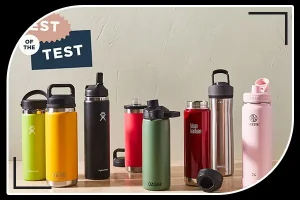
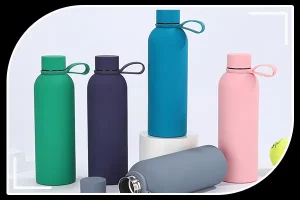
Vacuum flasks, also known as thermos bottles or insulated water bottles, have become an essential part of daily life. From keeping coffee hot during a long commute to ensuring cold water stays refreshing during workouts, these bottles promise convenience and efficiency. However, many people ask: “Is a vacuum flask safe to use?” This is a valid concern, especially when you consider the variety of materials and manufacturing standards on the market. In this guide, we’ll explore the safety of vacuum flasks, what to look for when choosing one, and how to maintain it for long-term use.

What Makes a Vacuum Flask Safe?
The safety of a vacuum flask largely depends on three factors: the materials used, the construction quality, and whether it meets international safety standards. Let’s take a closer look.
Food-Grade Stainless Steel
Most high-quality vacuum flasks are made from stainless steel, which is widely recognized as safe for food and beverages. There are different grades of stainless steel, but the most common are 304 and 316.
- 304 Stainless Steel: Common in many consumer products, it offers good corrosion resistance and durability.
- 316 Stainless Steel: This is a premium grade used in medical, pharmaceutical, and high-end beverage containers. It offers superior corrosion resistance, especially against salt and acidic beverages, making it the safest choice for daily use.
Mountop, for example, uses 316 stainless steel for all its premium vacuum flasks, ensuring maximum durability, safety, and resistance to corrosion over time.
Double-Wall Vacuum Construction
A vacuum flask’s defining feature is its double-wall construction. The inner wall holds the liquid, while the outer wall creates a vacuum in between. This vacuum layer is crucial for insulation, keeping beverages hot or cold for hours. More importantly, it ensures that the liquid does not come into contact with any external contaminants, making it safer for daily use.
BPA-Free Components
Many vacuum flasks have plastic components such as lids, straws, or sealing rings. Choosing a BPA-free flask ensures that harmful chemicals will not leach into your drink. High-quality bottles, like those from Mountop, use food-grade, BPA-free plastics for all non-metal components.
Is Stainless Steel Safe for Drinking Water?
Stainless steel is widely used in healthcare, food preparation, and beverage containers because of its inert properties. It does not react with water or most beverages, making it an excellent choice for everyday hydration. Unlike plastic bottles, stainless steel does not release harmful chemicals or retain odors over time.
304 vs 316 Stainless Steel
| Feature | 304 | 316 |
|---|---|---|
| Corrosion Resistance | Good | Excellent |
| Salt Resistance | Moderate | High |
| Durability | High | Very High |
| Premium Choice | No | Yes |
As you can see, 316 stainless steel is the optimal choice for long-lasting safety, especially for flasks used with hot beverages or acidic liquids.
Can Hot Water Damage a Vacuum Flask?
A common concern is whether pouring boiling water into a vacuum flask can be harmful. The short answer is no, provided the flask is made from quality materials.
- High-grade stainless steel can safely handle boiling water without releasing chemicals.
- Vacuum flasks are designed to withstand temperature extremes, maintaining the drink’s temperature while keeping the outer wall safe to touch.
Tips to ensure safety:
- Avoid storing highly acidic beverages, like lemon juice, for long periods.
- Do not use abrasive or strong chemical cleaners on the flask.
- Avoid dropping the flask, which could damage the inner lining or vacuum seal.
Are Cheap Vacuum Flasks Safe?
Not all vacuum flasks are created equal. Low-cost, unbranded bottles may use inferior steel, substandard welding, or non-certified plastics. Using these bottles could expose you to risks such as:
- Rust formation inside the bottle
- Chemical leaching from low-quality plastics
- Poor insulation, causing heat transfer to the outer wall
How to identify a safe vacuum flask:
- Look for international safety certifications, such as FDA, LFGB, CE, ROHS, or UKCA.
- Ensure the bottle is BPA-free.
- Check for ISO9001 certified manufacturing, which guarantees consistent quality.
Mountop’s vacuum flasks meet all these certifications, combining 316 stainless steel, BPA-free components, and high-quality insulation to guarantee safety for everyday use.
Signs Your Vacuum Flask Should Be Replaced
Even the best flasks have a lifespan. Here are indicators that it may be time for a replacement:
- Visible rust or corrosion: Rust compromises both safety and taste.
- Persistent odors: Strong, lingering smells indicate bacterial growth or material breakdown.
- Damaged inner lining: Scratches or dents in the inner wall may weaken insulation.
- Vacuum failure: Reduced insulation performance, such as drinks not staying hot or cold as long as before.
Benefits of Using a High-Quality Vacuum Flask
Using a safe, high-quality vacuum flask offers numerous advantages:
- Keeps beverages hot or cold for extended periods
- Reduces reliance on disposable plastic bottles
- Saves money by reducing waste and repeated purchases of bottled drinks
- Provides peace of mind knowing the container is safe and durable
How to Use a Vacuum Flask Safely
To maximize safety and lifespan:
- Clean regularly: Wash with warm water and mild detergent.
- Avoid harsh chemicals: Never use bleach or abrasive cleaners.
- Do not microwave: Metal flasks should never be microwaved.
- Follow manufacturer instructions: Check for proper lid usage and sealing tips.
- Replace worn seals: Ensure the vacuum layer remains effective.
Why Businesses Choose Custom Vacuum Flasks
Beyond personal use, vacuum flasks are popular in corporate gifting, promotional campaigns, and retail branding. Choosing a reliable OEM/ODM manufacturer is crucial for:
Mountop offers a full OEM/ODM service, including custom 3D design, 3D prototyping, mold development, sample approval, and bulk production, making it easy for brands to create high-quality, safe, and customized vacuum flasks.
About Mountop Bottle
Mountop is a professional vacuum flask and water bottle manufacturer established in 2008. With over a decade of experience, Mountop specializes in 316 stainless steel insulated bottles and provides comprehensive OEM/ODM services. The company offers:
- ISO9001 certified production
- FDA, CE, FCC, ROHS, UKCA certifications
- Free laser logo customization
- Custom packaging, colors, and designs
Mountop’s commitment to safety, quality, and innovation makes it a trusted choice for businesses and consumers worldwide.
Conclusion
High-quality vacuum flasks are safe for daily use, provided they are made from food-grade stainless steel, have BPA-free components, and meet international safety standards. Cheap, uncertified bottles may pose risks, so it’s important to choose a trusted manufacturer. With proper care, a premium vacuum flask can provide years of safe, convenient hydration.
For businesses looking for branded or customized bottles, partnering with a certified manufacturer like Mountop ensures safety, quality, and professional OEM/ODM support.