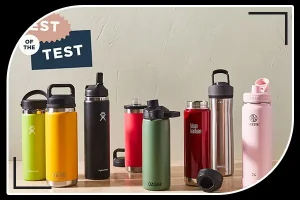
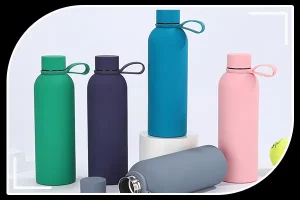
When you sourcing corporate gifts, store items, wellness initiatives, or branded campaigns, buying water bottles in bulk is one of the best decisions a company can make. However, with so many vendors, materials, and customization methods to choose from, it’s easy to overpay for your products, receive the wrong product, or fail to comply with regulations, which could delay your order.
This article provides a step-by-step analysis of the entire process, including who should buy in bulk, which materials to consider, how to evaluate suppliers, and the purchasing process.

Who Buys Water Bottles in Bulk?
Purchasing water bottles in bulk can cover a broad spectrum of corporate needs. Some of the most frequent purchasers may include:
- Corporate buying departments that purchase products to fill employee wellness or onboarding packs
- Event marketing managers who need promotional items for trade shows or conference sponsorships
- E-commerce stores looking to develop their private label drink accessories
- Importers and distributors looking to make wholesale purchases
- Educational institutions, fitness centers, and healthcare facilities that equip staff or members.
All of these customers have one thing in common: a requirement for quality products, timely delivery, and good prices. None of these are possible without purchasing in bulk.
Why Custom Water Bottles Are Worth the Investment
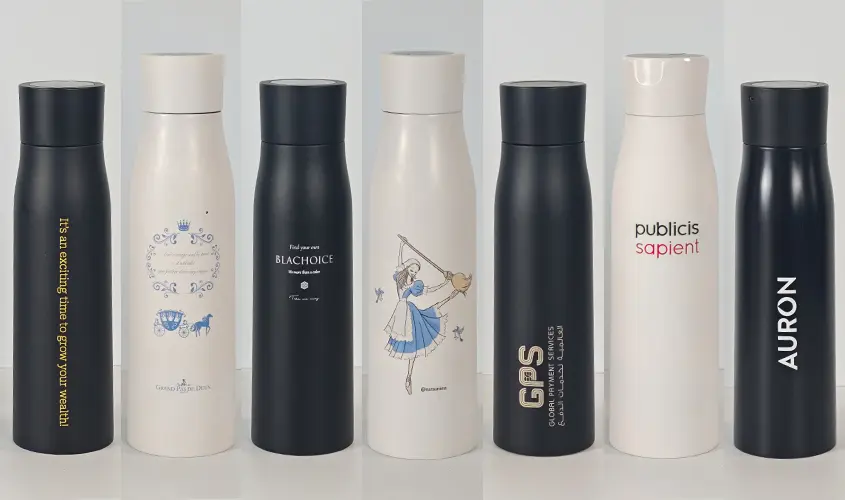
Branding your company’s water bottles with your logo and color scheme is about more than just looks. It’s an investment that will generate concrete returns.
Daily use means repeated exposure of your brand. As your branded bottle travels with someone around the office, gym, or coffee shop, it acts as a walking advertisement. According to a study by the PPAI, 8 out of 10 people like receiving promotional products, and 87% of drinkware is among the most effective products for increasing brand recognition.
A customized bottle demonstrates professionalism and attention to detail to new hires and potential corporate customers. This message is difficult to convey with a generic bottle.
From a financial standpoint, there are good reasons to invest in customized water bottles. A good-quality bottle costs $4–$12 and can last 2–5 years with daily use.
Choosing the Right Material
When buying water bottles in bulk, the most important spec decision you will have to make is the type of material. This decision influences cost, durability, compliance, and how the end user perceives the product.
| Material | Cost Level | Best For | Key Benefit | Watch Out For |
|---|---|---|---|---|
| Stainless Steel | Mid–High | Corporate gifts, everyday carry | Durable, BPA-free, retains temperature | Heavier; avoid 201-grade steel |
| Plastic (BPA-Free) | Low–Mid | Trade shows, events, kids | Lightweight, low cost, high-volume friendly | Less premium perception |
| Aluminum | Low–Mid | Outdoor promos, sports events | Lightweight, recyclable | Dents more easily than steel |
| Glass | Mid | Health brands, retail gifting | Pure taste, premium look | Fragile; needs protective sleeve |
For business purposes, such as corporate gifts, wellness programs, and retail, the recommendation is usually 304 or 316 stainless steel bottle. It is strong, food-safe, and a good heat retainer that gives the impression of premium quality.
BPA-free plastic bottle, such as Tritan or PETG, is the most affordable material for mass giveaways where budget and portability take precedence over heat retention.
Be sure to ask the supplier about the exact grade of material used, as a BPA-free claim should be backed by lab test documentation, not just a label on the product.
How to Find the Right Supplier
This is the stage at which the majority of bulk buyers either save money or face challenges. The good news is that a properly planned evaluation minimizes guesswork.
The first step is to identify your production method. Are you sourcing from an existing inventory that only requires your branding (OEM), or are you developing a bottle from scratch (ODM)? Stock sourcing involves relatively low minimum orders (100–500 units) and reduced lead time, whereas ODM requires a minimum order of about 3,000 units and involves additional lead time for mold creation and samples.
Use the following criteria in your supplier evaluation:
| Factor | What to Look For | Red Flag |
|---|---|---|
| Certifications | FDA, LFGB, ISO 9001, test reports | No documentation, only verbal assurances |
| MOQ Flexibility | Stock MOQ 100–500 pcs; OEM from 3,000 pcs | Extremely high MOQ with no exceptions |
| Customization Options | Screen printing, laser engraving, UV printing | Only one decoration method available |
| Lead Time | Stock order: 7–15 days; OEM: 30–45 days. Shipping time is added separately | No clear timeline or frequent delays |
| Sampling | Pre-production samples available before bulk run | Refuses to provide samples |
| Export Experience | Exports to your target markets, knows local regs | No export track record or logistics partner |
If you are purchasing from China, currently the world’s largest producer of drinkware, make sure you choose factories with a credible track record of exporting to your target market. For example, an exporter who is accustomed to exporting to the USA, Europe, or the UK would already be familiar with FDA test reports, LFGB testing (for food contact in Europe), and the relevant customs documentation. Make sure to request the test reports, not just the certificates.
The Bulk Ordering Process: Step by Step
Step 1: Define Your Requirements
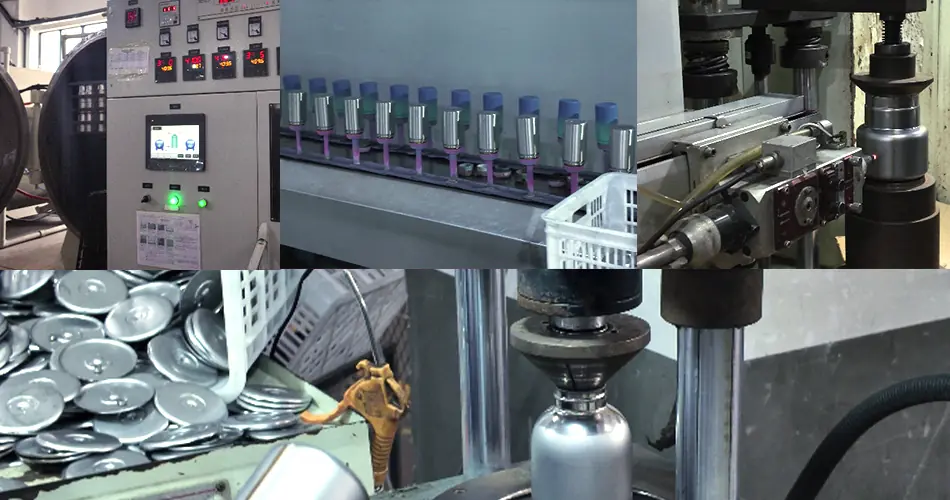
Before getting any supplier quotes, clearly define your requirements. Specify the number of bottles, material type, capacity (500 ml, 750 ml, or 32 oz), lid type, color, and printing process (screen printing, laser engraving, or UV printing). Also, specify any special packaging requirements. The more specific your requirements are, the more accurate the quotes will be.
Step 2: Request Quotes from Multiple Suppliers
Get at least three quotes from different suppliers and give them the same set of requirements. Ensure you receive detailed pricing information with a breakdown of the unit cost, setup charges, packaging, and shipping. OEM tooling charges are one-time costs that should be distributed over your reorder quantity.
Step 3: Order Pre-Production Samples
Never skip sampling. A pre-production sample, also known as a “golden sample,” allows you to check the quality of the material, the print, the lid functions, and the colors. Do not work with a factory that refuses to provide samples.
Step 4: Confirm Compliance Documentation
Ask the factory to provide third-party laboratory test documents for your bottle material that guarantee compliance with food contact standards. Factories that regularly export should have these documents readily available.
Step 5: Place the Order
After approving the pre-production samples and verifying the compliance documents, place the order and provide the supplier with a production timetable and milestone schedule. A reputable supplier will allow to inspect the factory.
Step 6: Arrange Logistics and Customs Clearance
Most established manufacturers offer shipping services directly, either use their own logistics providers or offer freight services as part of their package. Confirm with your supplier early whether they handle door-to-door delivery, FOB (port of origin), or another Incoterm, as this affects who is responsible for freight booking, insurance, and customs clearance.
If your supplier does not offer shipping support, work with a freight forwarder experienced in your import market. In either case, ensure that the shipment has all the necessary documentation, including a commercial invoice, packing list, and bill of lading.
Conclusion
Buying water bottles in bulk is a simple process once you understand a few key factors: who the order is intended for, which material is appropriate for your needs, and how to screen suppliers before making a purchase. Common errors include selecting the wrong material grade, failing to test samples, and neglecting to screen compliance documentation. All of these mistakes can be avoided.
Whether you are buying 500 branded bottles of water for a business meeting or 10,000 for a marketing launch, the procedure remains consistent. It should involve proper specifications, selection of a reputable supplier, and sufficient lead time to allow for sampling and production. When done correctly, buying water bottles in bulk offers incredible marketing value for the money invested.
Not sure which material or MOQ is right for your order? Mountop works with procurement managers, brand owners, and retail buyers every day. Tell us what you need, we’ll handle the rest. Talk to a Specialist