The water bottle industry is growing at a remarkable pace, attracting attention from manufacturers, distributors, and corporate buyers. For B2B buyers, understanding the market size, trends, and opportunities is crucial for making informed purchasing and investment decisions.
Globally, the water bottle market is worth billions of dollars, with projections showing consistent growth driven by health-conscious consumers, sustainable products, and reusable drinkware trends. Whether you are sourcing bulk water bottles for retail, promotional purposes, or corporate gifting, knowing the market dynamics can help you choose the right suppliers, optimize costs, and offer products that meet customer expectations.

Global Market Size Overview
The global water bottle industry has expanded rapidly over the past decade. As of 2026, the market size is estimated at $11–12 billion, with a projected CAGR of 4–5% over the next five years. Growth is fueled by:
- Rising consumer health awareness and fitness trends
- Increased adoption of reusable water bottles to reduce single-use plastic
- Corporate demand for promotional and branded drinkware
Regional markets show different dynamics:
- North America: Strong demand for premium stainless steel and BPA-free bottles
- Europe: Focus on eco-friendly and sustainable materials
- Asia-Pacific: High-volume production and growing middle-class consumption
- Latin America & Middle East: Emerging markets with growing corporate gifting and retail demand
For B2B buyers, these figures indicate where to source products, which markets are growing fastest, and which materials are trending.
Key Segments in the Water Bottle Industry

Understanding market segments helps buyers identify profitable niches:
By Material
- Stainless steel: Durable, reusable, and premium; popular in retail and promotional markets
- Plastic: Lightweight and affordable; widely used in events and mass giveaways
- Glass: Stylish and eco-friendly; growing demand in lifestyle and home markets
- Aluminum: Lightweight and durable; niche segment for sports and outdoor enthusiasts
By Use Case
- Sports and fitness: Lightweight bottles for gyms and outdoor activities
- Promotional merchandise: Branded bottles for corporate campaigns
- Retail & e-commerce: Retail-ready products in various sizes and designs
- Outdoor/adventure: Durable, high-capacity bottles for camping and hiking
Consumer Preference
- Reusable bottles: Driving growth due to environmental concerns
- Single-use bottles: Declining in many regions due to plastic reduction policies
For B2B buyers, targeting high-demand segments like stainless steel or eco-friendly materials often ensures better margins and repeat orders.
Market Growth Drivers
Several factors are accelerating growth in the water bottle industry:
- Health and fitness trends: Consumers increasingly prefer reusable bottles for hydration during workouts or daily routines.
- Corporate and promotional demand: Branded water bottles remain a popular marketing tool for events and campaigns.
- Environmental regulations: Policies restricting single-use plastic bottles push consumers and businesses toward reusable alternatives.
- E-commerce and cross-border trade: Digital platforms enable global B2B buyers to source products directly from manufacturers, reducing costs and expanding selection.
These drivers indicate that bulk buyers and distributors have opportunities to capitalize on emerging trends with innovative products and customization.

Competitive Landscape
The water bottle market is highly competitive, with both global brands and regional manufacturers vying for market share. Key points for B2B buyers:
- Global leaders often set standards for materials, design, and pricing
- Medium and small OEMs can provide flexible customization and lower MOQ (Minimum Order Quantity)
- Suppliers vary in production capacity, quality control, and certification (FDA, LFGB)
B2B buyers need to evaluate supplier reliability, quality, and customization capabilities before committing to large orders.
Pricing Overview for B2B Buyers
Understanding wholesale pricing is essential for budgeting and ROI:
| Product Type | Typical Wholesale Price |
|---|---|
| Plastic bottle (single wall) | $1 – $3 |
| Tumbler cup & mug (double wall stainless steel) | $4 – $6 |
| Powder-coated stainless steel | $5 – $8 |
| Premium stainless steel (316) | $7 – $12+ |
Factors affecting price include:
- Material: 316 stainless steel costs more than 304; glass and aluminum may also have higher production costs
- Capacity: 20oz, 30oz, and 40oz bottles require more material
- Surface finishing: Powder coating, painting, or metallic finishes add to cost
- Customization: Logo printing, special lids, and packaging increase unit price
- Order quantity: Larger orders reduce unit costs; MOQ varies from 100–3000 pieces
Customization Opportunities
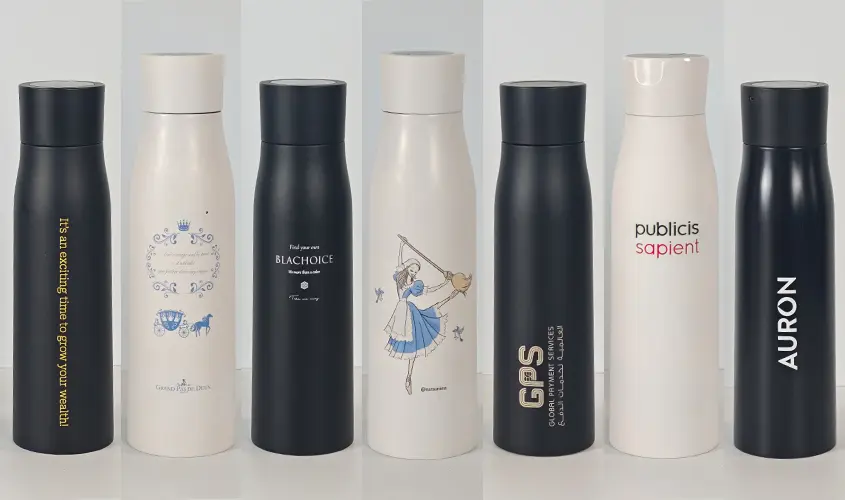
B2B buyers often differentiate their products through customization:
- Logo printing: Laser engraving, silk screen, or UV printing
- Color options: Matte, gradient, metallic, or powder-coated finishes
- Lid styles: Flip lid, straw lid, sliding lid
- Packaging: Retail boxes, gift packaging, or eco-friendly packaging
Custom water bottle allows brands to enhance visibility, brand recognition, and customer loyalty, making it a key factor in B2B procurement.
Trends & Innovations
Emerging trends provide opportunities for bulk buyers:
- Smart water bottles: Temperature display, hydration tracking
- Sustainable materials: Recycled stainless steel, bamboo, biodegradable plastics
- Premium large-capacity bottles: 30–40oz bottles for fitness enthusiasts
- Direct-to-retail and e-commerce channels: Faster access to niche products and custom designs
B2B buyers should monitor these trends to identify high-demand products and differentiate their offerings.
Challenges for B2B Buyers
While opportunities exist, there are also challenges:
- Material price volatility: Stainless steel and plastic prices fluctuate
- Supply chain delays: High demand or raw material shortages can impact lead times
- Quality control: Poor manufacturing can cause lid leakage, paint peeling, or insulation failure
- Competitive pricing pressure: High competition among suppliers may reduce margins
Working with experienced and certified manufacturers is key to mitigating these risks.
How to Enter or Expand in the Water Bottle Market
For B2B buyers looking to capitalize on growth:
- Choose reliable water bottle suppliers with certifications and consistent quality
- Focus on high-demand segments: Stainless steel, eco-friendly, or large-capacity bottles
- Leverage customization to differentiate your brand or products
- Monitor market trends to anticipate changes in consumer preference
- Negotiate favorable MOQs and bulk pricing for maximum profitability
By following these steps, buyers can make strategic decisions that maximize ROI and market relevance.
Conclusion
The water bottle industry continues to grow, driven by health trends, sustainability, and customization opportunities. For B2B buyers, understanding market size, materials, pricing, and trends is essential to make informed decisions and capture business opportunities.
Carefully selecting water bottle supplier, investing in quality products, and offering customized solutions are the keys to success in this dynamic market.