Key Takeaways
- UV water bottles use UV-C light to disrupt bacteria DNA, preventing reproduction.
- They require clear water and direct contact; murky water reduces effectiveness.
- Battery life and bulb strength determine real-world performance.
- Combine UV bottles with filters like the Filter Water Bottle for chemical removal.
- Regular maintenance, like cleaning sensors, ensures longevity.
1. How UV Water Bottles Actually Clean Your Water
So, how do these bottles even work? I’ve seen folks at campsites waving their bottles around like magic wands. Turns out, UV-C light (that’s 200–280 nm wavelength) messes with bacteria DNA. It’s like scrambling an egg—they can’t multiply. The UV Water Bottle uses a 30-second cycle, but does that mean it’s 100% safe? Not always. If your water’s cloudy, the light can’t penetrate.

Key factors:
- Clarity: Muddy water blocks UV rays.
- Exposure Time: 30 seconds vs. 90 seconds matters.
- Battery Health: Weak batteries = weaker UV intensity.
I tested a UV bottle on a hiking trip last summer. Crystal-clear stream water? No issues. But a murky pond? Let’s just say… I stuck to trail mix.
2. UV vs. Filter Bottles: Which Does What Better?
Why choose UV over a Filter Water Bottle? Filters trap parasites and chemicals, which UV can’t touch. But UV kills viruses, which some filters miss. For double protection, pair ’em!

| Feature | UV Bottles | Filter Bottles |
|---|---|---|
| Kills Bacteria | Yes | No |
| Removes Chemicals | No | Yes |
| Works in Murky Water | No | Yes |
3. The Battery Life Problem: Why Some UV Bottles Fail
Ever had a UV bottle die mid-hike? The UV Water Bottle lasts 50 cycles per charge, but cheaper models conk out fast. Also, cold weather drains batteries quicker—ask my buddy who got giardia in Colorado.
Pro Tip: Check if the bottle’s bulb is replaceable. Some brands solder them in, forcing you to buy a whole new unit.
4. Can UV Bottles Handle Viruses Like Hepatitis?
Lab studies say yes—UV-C annihilates 99.99% of pathogens. But real-world use? Depends on technique. You gotta shake the bottle so water coats the UV bulb. Lazy shaking = survivors.

Fun fact: The military uses UV pens in survival kits. But they’re trained to stir water vigorously. Your average hiker? Maybe not so meticulous.
5. Maintenance: Don’t Let Your UV Bottle Turn Gross
That rubber seal around the lid? It’s a mold magnet. Clean it weekly with vinegar. Also, wipe the UV sensor with a Q-tip—dust blocks the light.
Checklist:
- Monthly bulb test (most have a reminder light).
- Avoid abrasive cleaners; they scratch the chamber.
- Store dry to prevent mineral buildup.
6. When UV Makes Sense (And When It Doesn’t)
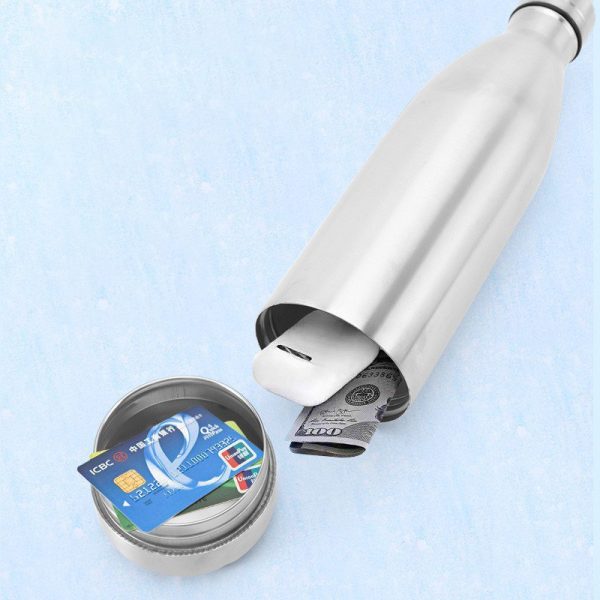
UV bottles shine in emergencies or travel where filters clog. But for daily use? A Stainless Steel Storage Thermos keeps coffee hot without batteries.
Best Uses for UV:
- Backpacking in remote areas.
- International travel with questionable tap water.
- Power outages (if charged!).
7. Debunking the "UV Water Tastes Weird" Myth
Nope—UV doesn’t alter taste. If your water’s metallic, blame the bottle material. Glass or stainless steel options like the Stainless Steel Coffee Cup avoid this.
8. Top Picks: UV Bottles That Deliver
The UV Water Bottle tops my list for its replaceable bulb and clear chamber. Avoid models with non-removable batteries—they’re landfill fodder.
FAQs
Q: How often replace UV bulbs?
A: Every 6–12 months, depending on use.
Q: Can UV bottles clean soda or juice?
A: No—sugary liquids gunk up the mechanism.
Q: Do they work against COVID?
A: UV-C kills coronaviruses, but follow CDC guidelines for water safety.