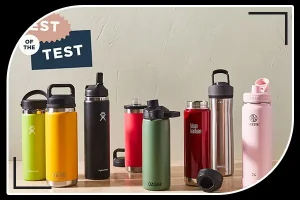
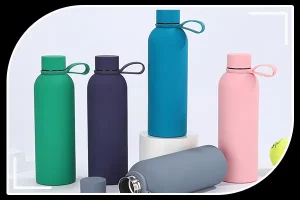
Stanley tumblers have taken the world by storm, becoming a favorite among influencers, athletes, moms, and outdoor lovers alike. With their iconic handle, massive capacity, and sleek design, these stainless steel cups are now everywhere—from fitness studios to road trips.
But with rising popularity comes growing curiosity—and concern. One of the most searched questions online is: Do Stanley cup have lead?
In this article, we’ll break down where this concern comes from, explore Stanley’s materials and construction, and answer some of the most common safety-related questions. Whether you’re a daily Stanley user or considering a wholesale order, this guide will give you clarity and confidence.

Why Are People Worried About Lead?
Lead is a toxic heavy metal that can pose serious health risks if ingested, especially for children and pregnant women. It was historically used in household paint, plumbing, and certain types of ceramic glazes.
Today, strict global regulations prohibit the use of lead in food-contact materials. But some consumers have raised concerns that lead may still be used in parts of drinkware—especially in the sealing components at the bottom of insulated bottles and tumblers.
That’s where the Stanley discussion comes in.
How Are Stanley Tumblers Made?
To understand the lead question, let’s look at how a Stanley cup is constructed:
- Material: Stanley tumblers are made from 18/8 stainless steel, also known as 304 stainless steel, which is food-safe, durable, rust-resistant, and lead-free. Some premium lines even use 316 stainless steel for extra corrosion resistance.
- Double Wall Vacuum Insulation: This popular design feature involves welding two layers of stainless steel together and vacuum-sealing the air between them.
- Sealing Point: To complete the vacuum, a small sealing plug is placed at the bottom of the cup. In some manufacturing processes, a tiny amount of lead-based solder might be used to seal this spot.
However—and this is key—this area is completely sealed off from the inside of the cup, meaning it does not come into contact with your water, coffee, or tea.
Has Stanley Confirmed the Use of Lead?
In early 2024, Stanley’s parent company Pacific Market International (PMI) addressed this concern directly. Here’s what they said:
“In some of our products, a small component of the base seal uses lead-based solder. This part is fully enclosed within stainless steel and does not contact liquids or come into contact with users.”
They also emphasized that their products comply with all relevant U.S. and international safety standards, including:
- FDA (U.S. Food & Drug Administration)
- California Proposition 65
- EU RoHS Directive
This transparency has reassured many customers, but the question still lingers: is it truly safe?
Is It Safe to Use a Stanley Cup?
The short answer is: Yes.
The concern about lead stems from a part of the tumbler that is not exposed during normal use. Unless the cup is severely damaged—such as the bottom seal being punctured or the outer layer peeling off—there’s no realistic exposure risk.
To date, there have been no reports of lead poisoning from Stanley cup. The company has sold millions of units globally without incident.
That said, consumers who are especially cautious—such as parents of infants or immunocompromised individuals—may choose to buy from brands that guarantee 100% lead-free manufacturing (i.e., using alternative sealing materials like glass solder or laser welding).
What About Other Brands? Is This Common?
Yes, very much so. The use of lead-based solder in the vacuum-sealing plug is not unique to Stanley. Other leading brands—like Hydro Flask, YETI, and ThermoFlask—have faced similar questions in the past.
Why is it still used?
- Lead-based solder melts at a lower temperature, making it easier for factories to achieve a vacuum seal quickly and securely.
- Some factories have begun transitioning to lead-free processes, but this is more costly and requires precision.
The good news: most of these solder points are located outside the interior chamber and are well protected. They’re covered by silicone pads, caps, or steel disks at the bottom of the cup.
How to Choose a Safe Water Bottle or Tumbler
If you’re concerned about health and safety, here are a few things to look for:
- Material label: Look for food-grade 304 or 316 stainless steel.
- BPA-Free: Ensure no plastic parts use harmful chemicals.
- Certifications: FDA, CE, RoHS, and ISO9001 are good signs.
- Transparent brands: Choose manufacturers that disclose materials and test results.
- Avoid damage: Don’t use damaged tumblers, especially if the bottom is cracked or leaking.
Looking for Safe, Customizable Tumblers? We Can Help
As a professional stainless steel water bottle and tumbler manufacturer, we understand your concerns—and we take them seriously.
At Mountop, we produce a wide range of insulated drinkware, all made from 304 or 316 stainless steel, and available with lead-free vacuum sealing technology upon request.
Why choose us?
- Certified materials (FDA, LFGB, CE, BPA-Free, RoHS)
- OEM & ODM support for custom tumblers, bottles, and mugs
- Full customization of size, lid, straw, packaging & logo
- Hygienic, safe, and tested for daily use
- Fast prototyping, bulk manufacturing & global shipping
Whether you’re building a brand or sourcing for your business, we’re here to help you create a tumbler that’s safe, stylish, and lead-free.
Contact us today to request a free sample or certification details.