
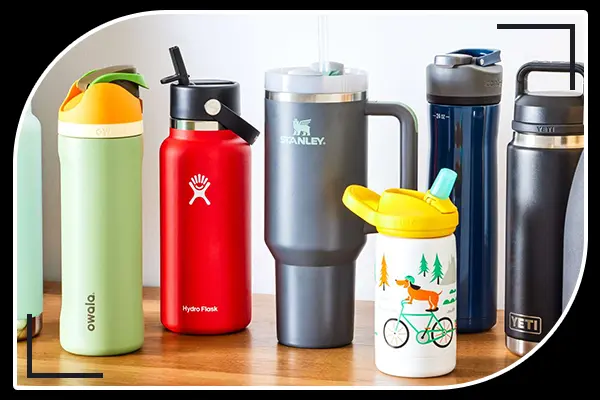
A custom design water bottle is one of the most useful branded products can put company name on. This is because people use it every day, keep it for many years, and carry it everywhere. For businesses, that adds up to steady brand exposure at a low cost per unit.
This article explains what custom design water bottles are, how to choose the right type, and how to order them with fewer problems.

What Is a Custom Design Water Bottle?
Custom design water bottles are reusable water bottles printed or engraved with the artwork, logos, texts, or colors selected by the buyer. Companies order them for employees, clients, events, and retail.
Most custom bottles fall into three groups:
- Promotional bottles: Low-cost items given away at trade shows or conferences.
- Corporate gifts: Higher-quality bottles given to clients, partners, or staff.
- Retail or resale products: Bottles sold under a company’s own brand.
Why Businesses Choose Custom Water Bottles
Strong brand visibility
A bottle is seen many times a day, at the desk, in the gym, in the car, and in meetings. Studies of promotional products from industry groups such as the Advertising Specialty Institute (ASI) have long shown that drinkware ranks among the most recalled promotional items. A single bottle can deliver thousands of brand impressions over its lifetime.
Useful and lasting
Unlike a flyer or pen, a good water bottle stays in use. Recipients are more likely to keep and use something that solves a daily need.
Support for sustainability goals
Reusable bottles help cut single-use plastic. Many U.S. companies include them in employee wellness and environmental programs. This can support ESG reporting and show customers that the company takes waste seriously.
Flexible budgets
Prices range from under $3 per unit for basic plastic bottles to $25 or more for premium insulated steel. This makes custom bottles workable for small teams and large campaigns alike.
Common Bottle Materials
Choosing the right material is the biggest decision. Here is how the main options compare.
| Material | Best For | Typical Strengths | Typical Limits |
|---|---|---|---|
| Stainless steel | Corporate gifts, retail | Durable, keeps drinks hot or cold | Higher cost |
| Tritan or BPA-free plastic | Events, giveaways | Light, affordable, many colors | Less premium feel |
| Aluminum | Fitness, outdoor brands | Very light, good print surface | Not insulated, can dent |
| Glass | Wellness, office use | Clean taste, upscale look | Breakable, heavier |
Whatever you choose, confirm the bottle is BPA-free and meets the relevant food contact requirements. Ask your supplier for documentation.
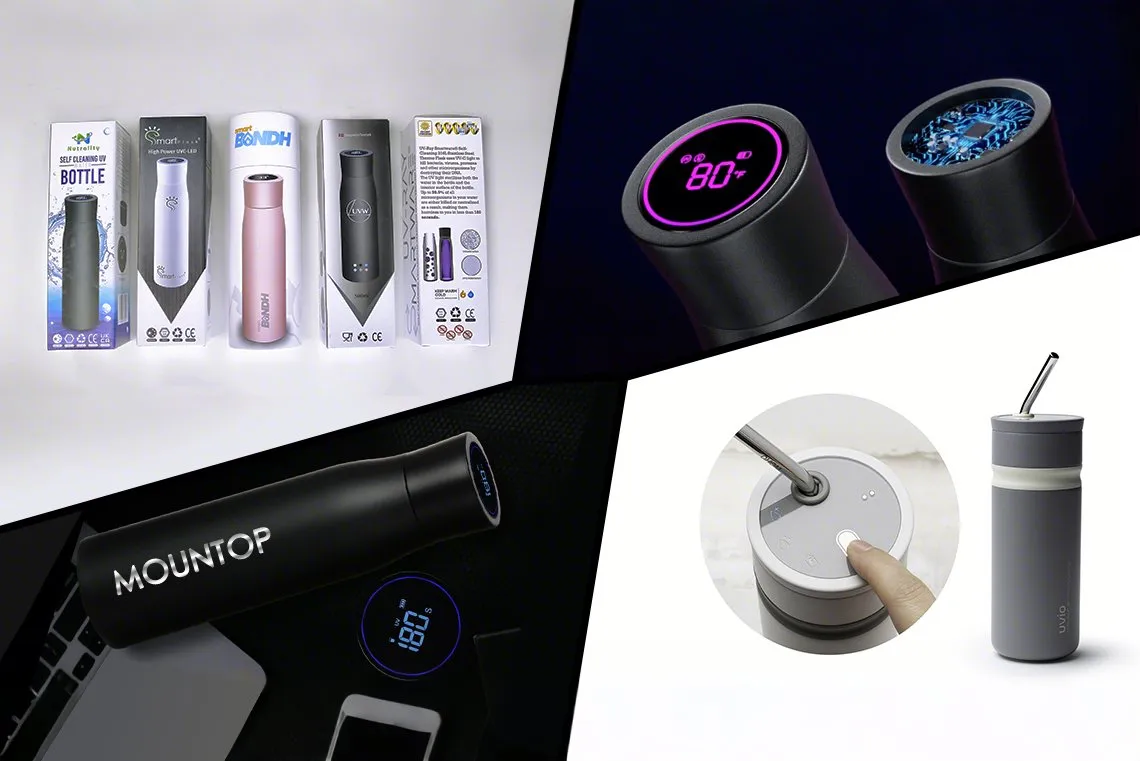
Customization Methods
How your design is applied affects the look, cost, and durability of the bottle.
Screen printing is good for simple logos in one or two colors, and it is cost-effective for large orders. Digital or full-color printing works for detailed artwork and gradients, and it suits smaller runs better. Laser engraving etches the logo into metal, so it will not peel or fade, and it gives a premium look. Pad printing is suited to curved or uneven surfaces. Powder coating with print adds a durable colored finish before the logo is applied.
If your logo has fine lines or many colors, ask for a sample or digital proof before you commit.
How to Choose the Right Custom Water Bottle
Start with the purpose. A trade show giveaway and a gift for your top clients call for different choices.
1. Define your audience. Employees may want an insulated bottle. Event guests may only need something light and easy to carry.
2. Set a budget per unit. Include setup fees, shipping, and any extras like gift boxes. Lower unit prices often come with higher minimum orders.
3. Match the design to the bottle. Simple, high-contrast logos usually look best. Make sure your brand colors can be reproduced on the chosen material.
4. Check quality and safety. Look for leak-proof lids, food-safe materials, and sturdy finishes. Request a sample before a large order.
5. Think about use. Consider capacity (16 to 32 ounces is common), cup holder fit, and whether the bottle is dishwasher safe.
Ordering Tips for B2B Buyers
Know the minimum order quantity (MOQ). Many suppliers set minimums between 25 and 250 units. Some offer lower minimums at higher prices.
Plan for lead time. Standard production often takes 2 to 4 weeks, plus shipping. Rush options exist but cost more. Order early for events and holiday campaigns.
Prepare artwork correctly. Vector files such as AI, EPS, or SVG give the cleanest results. Low-resolution images can print blurry.
Ask about total cost. Confirm fees for setup, color matching, proofs, and freight before you approve a quote.

Questions to Ask a Supplier
Before to making an order, inquire about the minimum order quantity and pricing levels to get an understanding of cost changes based on order quantities. Request both a digital proof and a physical sample to review colors and finishing. Ensure that the bottles have BPA-free and relevant food contact requirements. Inquire about how long it takes to manufacture the products and the method of delivery, as well as the possibility of shipping the products to different locations where your clients are spread out. Inquire about the policy on defects and misprints. Clear answers to these questions help avoid delays and surprises.
Sustainability and Brand Reputation
Reusable bottles make an impact only when they are actually used. A bottle that is sturdy and high-quality will have a better chance of being a replacement for disposable plastic products. Products of lower quality could go to waste, which undermining the idea and even the image of your business.
Think about recycled stainless steel, recycled plastics, or packaging that produces less waste. Be precise in any environmental claims, as inaccurate claims can receive negative feedback, as well as legal ramifications according to the guidelines issued for green marketing.
Common Mistakes to Avoid
- Choosing price over quality. A cheap bottle that leaks or cracks hurts your brand.
- Overcomplicated designs. Too much detail often gets lost on a curved surface.
- Skipping the sample. Colors and finishes can look different from the screen.
- Ordering too late. Rush fees and missed deadlines are easy to prevent.
- Ignoring the audience. A bottle that does not fit daily habits will sit in a cupboard.
Final Thoughts
A custom design water bottle is a very efficient promotional tool for brand promotion and appreciation of the clients as well as promoting wellness among the employees. The main factors behind successful design include ensuring that it suits your target market, maintaining its simplicity, and working with a supplier who has everything clearly defined in terms of prices, quality, and delivery time.
Start with a clear goal and budget, request a sample, and confirm safety and delivery details. With those steps in place, a custom water bottle can keep your brand in front of people long after the event or campaign ends.
Mountop Bottle is a manufacturer of professional water bottles based in Shenzhen, China. The company was founded in 2008 and focuses on providing OEM and ODM water bottles projects to wholesalers, distributors, retailers, and brands.
The factory offers stainless steel water bottles, smart water bottles, UV water bottles, plastic sports bottles, shaker bottles and other types of water bottles. Mountop also offer customization services, inclued logo printing, private label solutions, product design and development, mold creation and packaging customization.
With an experienced production team and in-house manufacturing capabilities, Mountop supports both simple logo customization and fully customized product development.


