Comparison of Eco Friendly Water Bottles Made from Sustainable Materials

Table of Contents

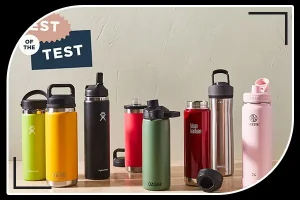
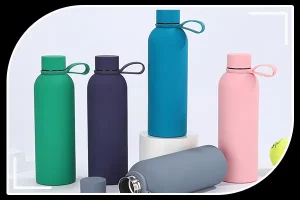
As sustainability becomes a global priority, more brands and consumers are turning to eco friendly water bottles made from sustainable materials. Whether you are developing a premium drinkware line or sourcing reusable bottles in bulk, choosing the right material is key to balancing durability, safety, and environmental impact.
This guide compares the most popular sustainable water bottle materials — from stainless steel to glass, bamboo, and recycled plastic — to help you make an informed choice for your brand.

eco friendly water bottle


Why Choose Sustainable Eco Friendly Water Bottles?

Switching from disposable plastics to reusable bottles is one of the simplest ways to reduce waste and carbon footprint. Eco-friendly bottles not only minimize environmental pollution but also reflect a responsible brand image.
In regions like Europe and North America, eco-conscious consumers increasingly prefer products made from recyclable or renewable materials — making sustainable drinkware an important market trend.


Common Sustainable Materials for Eco Friendly Water Bottles

1. Stainless Steel Bottles

Stainless steel is one of the most durable and popular materials for eco-friendly water bottles.
It’s BPA-free, corrosion-resistant, and keeps drinks hot or cold for hours.
Common grades include 304 stainless steel (for general use) and 316 stainless steel (marine-grade, used for high-end bottles).
Although heavier and slightly more expensive, it offers superior longevity and a premium look.

2. Glass Bottles

Glass bottles provide a pure drinking experience with no residual odor or taste.
They are 100% recyclable, chemical-free, and ideal for home or office use.
The downside is their fragility and heavier weight, but their clarity and safety make them a favorite for wellness and luxury brands.

3. Bamboo Bottles

Bamboo is a fast-growing, renewable resource that adds a natural aesthetic to drinkware.
Many designs combine a bamboo exterior with a stainless steel or glass inner layer.
These bottles are biodegradable and stylish, but require careful maintenance to avoid moisture damage.

4. Recycled Plastic (rPET) Bottles

rPET bottles are made from recycled PET plastic, offering a lightweight and cost-effective solution.
They are perfect for large-scale promotions, events, and giveaways.
While not as long-lasting as metal or glass, they play a significant role in the circular economy by reusing existing plastic waste.


Eco-Friendly Bottle Materials Comparison

MaterialKey FeaturesEco BenefitsLearn More
Stainless SteelDurable, BPA-free, long lifespan100% recyclable, long-term use reduces wasteLearn about stainless steel grades
GlassPure taste, elegant designFully recyclable, chemical-free and reusableSee how glass bottles are made
BambooNatural look, biodegradable shellRenewable and sustainable materialExplore eco bamboo bottles
Recycled Plastic (rPET)Lightweight, affordableGives new life to used plastic, reduces landfill wasteLearn about rPET production

How to Choose the Right Material for Your Brand

When selecting the ideal material for your product line, consider these factors:

  • Target market: Premium, eco, or mass consumer audience
  • Durability and cost: Stainless steel for longevity, rPET for affordability
  • Design and branding: Bamboo and glass for aesthetics
  • Certifications: Ensure materials meet international standards such as BPA Free, FDA, CE, and ISO9001

If your brand focuses on sustainability, combining eco-materials with recyclable packaging and laser-engraved logos is an excellent way to highlight environmental responsibility.


Sustainable Manufacturing and Customization

At Mountop Bottle, we specialize in producing eco-friendly and reusable water bottles using sustainable materials.
Our factory is ISO9001-certified, equipped with dust-free workshops, and supports full OEM/ODM customization — including color matching, packaging design, and laser logo engraving.
We can help you develop a unique, sustainable bottle line that fits your brand image and market needs.


Conclusion

Each eco-friendly bottle material offers distinct advantages:

  • Stainless steel for performance and durability,
  • Glass for purity and health,
  • Bamboo for natural appeal,
  • rPET for affordability and recyclability.

Choosing the right one depends on your brand positioning and sustainability goals.
Partner with a reliable eco-friendly water bottle manufacturer to create products that make a real difference — for both your customers and the planet.

👉 Contact Mountop today to design your sustainable water bottle line.

FAQs About Eco-Friendly Water Bottles

What makes a water bottle truly eco-friendly?

An eco-friendly water bottle goes beyond just being “reusable.” It’s defined by a cradle-to-cradle lifecycle that minimizes environmental impact at every stage:

  • Sustainable & non-toxic materials: 18/8 (304) or medical-grade 316 stainless steel, borosilicate glass, FSC-certified bamboo, or rPET (recycled PET) — all free from BPA, BPS, phthalates, and PFAS.
  • Closed-loop recyclability: Stainless steel and glass can be recycled infinitely without degradation; rPET diverts plastic from landfills; bamboo biodegrades if composted.
  • Responsible manufacturing: Certified facilities (e.g., BSCI, Sedex, ISO 14001) reduce water usage by up to 60%, run on renewable energy, and eliminate toxic coatings like epoxy liners.
  • Carbon footprint tracking: Many brands now provide Life Cycle Assessments (LCA) showing CO₂ savings vs. single-use bottles (e.g., one 750ml steel bottle = ~200 fewer plastic bottles over 3 years).
Material Durability Weight Taste Purity Hot/Cold Recyclability Best For
316 Stainless Steel ★★★★★ Medium ★★★★★ Yes (vacuum-insulated) ∞ (infinite) Daily commuters, offices, gyms
Borosilicate Glass ★★★☆☆ Heavy ★★★★★ Cold only (or sleeved) ∞ Home, taste purists
FSC Bamboo + Steel ★★★★☆ Light ★★★★☆ Yes High (shell biodegradable) Eco-events, gifting
rPET (100% recycled) ★★★☆☆ Ultralight ★★★★☆ Cold only High (but downcycles) Budget teams, schools

Pro Tip: For maximum longevity + safety, choose double-wall vacuum-insulated 316 stainless steel with a powder-coated exterior — it resists dents, retains temperature for 12–24 hours, and prevents condensation.

  • Chemical safety: Food-grade 304/316 steel, borosilicate glass, and platinum-cured silicone seals are inert — no leaching even at 100°C (212°F).
  • Certifications to demand:
    • FDA (21 CFR) – U.S. food contact compliance
    • LFGB (EU) – Stricter than FDA for heavy metals
    • Prop 65 (CA) – No detectable lead/cadmium
    • ROHS/REACH – No restricted substances
  • Third-party testing: Reputable brands publish SGS, Intertek, or TÜV reports showing <0.1 ppb lead after 24-hour acid tests.

Red flag: Avoid bottles with internal epoxy liners (can chip) or unbranded “stainless steel” — insist on electro-polished interiors to prevent bacterial growth.

Lifespan by use case:

  • Daily office use: 8–12 years (steel/glass)
  • Outdoor/adventure: 5–7 years (with drops)
  • Promotional giveaways: 3–5 years (rPET)

End-of-life options:

  1. Recycle locally: Steel/glass accepted in 90% of curbside programs.
  2. Brand take-back programs: Mountop Bottle offers free recycling shipping labels — your old bottle becomes new steel.
  3. Upcycle: Turn into planters, lanterns, or donate to scrap-art programs.

Fun fact: One recycled steel bottle saves enough energy to charge a smartphone 65 times.

Item Single-Use Plastic (500ml) Eco Steel Bottle (750ml)
Upfront cost $0.50 $18–$28
Year 1 (250 uses) $125 $18 (break-even at ~36 uses)
Year 3 $375 $18 + $0 maintenance
Savings — $357

B2B ROI Bonus:

  • 72% of consumers prefer brands with sustainable merch (Nielsen).
  • Custom bottles have 3x higher recall vs. plastic pens (ASI study).
  • Tax incentives: Many countries offer rebates for bulk eco-purchases.

Yes — Mountop Bottle and similar Tier-1 factories provide end-to-end customization with sustainability baked in:

  • Material mixes: Steel + bamboo lid, glass + silicone sleeve, rPET + cork.
  • Printing methods:
    • Laser engraving: Permanent, premium (no ink)
    • UV printing: Full-color, scratch-resistant
    • Silk-screen: Budget, 1–2 colors
  • Eco-packaging: Recycled kraft boxes, biodegradable mailers, seed-paper hangtags.
  • MOQ & lead time: 100 pcs (digital print) → 2 weeks; 1,000 pcs (engraved) → 4 weeks.
  • Certifications included: GRS (recycled content), FSC (bamboo), Carbon-Neutral shipping option.

Case Study: A tech startup ordered 5,000 matte-black steel bottles with pantone-matched laser logos + QR codes linking to a carbon-offset page → 94% employee adoption and 28% boost in ESG survey scores.

Next step: Request a free 3D mockup with your logo at sales18@mountopchina.com.

Custom Water Bottles: 4 Pathways to Uniqueness

From branding to groundbreaking innovation – precision manufacturing, simplified.

Logo Customization

Turn Bottles into Brand Ambassadors

Perfect for: Corporate gifts, team merchandise, retail branding

Packaging Customization

Unbox an Experience

Perfect for: Luxury launches, gift sets, retail-ready displays

Color Matching

Perfect Hue, Zero Compromise

Perfect for: Event themes, seasonal collections, brand identity

Bespoke Mold Design

Your Vision, From Molecule to Mass Production

Perfect for: Startups, patented designs, ergonomic innovations

Request a Quote

Your privacy matters. We keep your information secure and never send unwanted emails.