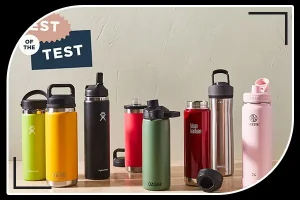
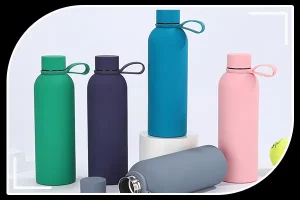
Today, water bottles are not just vessels to carry water around in, they’ve become a reflection of your personality, lifestyle, and values. For people in different lifestyles, from hiking enthusiasts to office workers, and even for businesses who want to provide the best water bottles for their employees or customers, finding the right material becomes crucial. This article highlights five of the most used materials in making water bottles, discussing their advantages and disadvantages while adding a comparison table. We will also give some information regarding the recent innovation in this sector known as self-cleaning smart bottles.
The Top Perfect Water Bottle Material: What’s Out There?
1. Stainless Steel: Reliable, Durable and Versatile
Indeed, there is no doubt about why stainless steel bottles are the best, considering their reliability and durability.
- Why Is it So Good?
- Durable: It does not rust, dent, or scratch. It is thus perfect for an active user.
- Consume Safely from: Made of food grade 304/316 stainless steel and does not contain BPA.
- Best Insulator for Temperature: Double walled, which means your liquids will remain warm or cold for up to 12–24 hours.
- Eco-friendly: It can be used numerous times and recycled when no longer in use.
- Weaknesses: Comparatively heavy and relatively expensive. If you leave it in acidic liquids like orange juice for a long time, it will affect the taste.
- Who Should Buy: Ideal for outdoor lovers, businessmen, tourists, and even wholesalers who want quality products.

2. Glass: Pure, Pretty, and Planet-Friendly
Glass bottles are the choice for those people that value flavor and beauty.
- Pros:
- Pure Flavor: Free from any added chemicals or funky flavors.
- Stunning Beauty: Crystal clear and elegant, a perfect bottle for brands and businesses.
- Eco-Friendly: 100 percent recyclable; loved by environmentally conscious customers.
- Cons:
- Prone to Breakage: Fragile and heavy, not recommended for use when you need your drinks to stay hot or cold.
- Ideal For: Personal use, offices, and gift giving.

3. Plastic (BPA-Free or Tritan): Light and Wallet-Friendly
Plastic water bottles are anywhere, and today’s bottles are durable and safer than before.
- What’s Good About It:
- Very Light: Easy to throw into a backpack and carry around.
- Inexpensive: Cheap for all and particularly cost-effective when ordered in bulk.
- Lots of Fun Choices: Available in every possible color and design.
- Safer Plastic: Use bottles made from BPA-free plastic such as Tritan.
- The Drawback: Easily scratchable, odor-retentive, and do not last long compared to other materials.
- Best Suited For: Children, college students, or companies who want cheap promotional giveaways.

4. Ceramic: Fancy and Functional
Ceramic bottles aren’t as prevalent, but their distinct style makes them stand out from the crowd.
- Why It’s Great:
- Safe and Pure: Free from any toxins or flavors altering your drink.
- Pretty: Beautiful design for making a gift or decoration out of it.
- The Catch: Heavy, fragile, and poor insulation properties.
- Perfect For: Specialty shops, upscale gifts, or home design lovers.
5. Aluminum: The Lightweight Contender
Aluminum bottles serve as a nice compromise between portability and toughness.
- Why It’s Great:
- As Light as a Feather: Lightweight compared to stainless steel.
- Durability: Will last as long as a quality liner is used.
- The Catch: Insulation isn’t very effective, and a liner will eventually degrade.
- Perfect For: Outdoor activities, sporting events, travel enthusiasts.
Water Bottle Material Showdown: Quick Comparison
| Material | Durability | Safety & Insulation | Best For |
|---|---|---|---|
| Stainless Steel | ★★★★★ | Safe, awesome hot/cold retention | Office, travel, premium retail, wholesale |
| Glass | ★★☆☆☆ | Super safe, no insulation | Home, office, eco-conscious users |
| Plastic (Tritan) | ★★☆☆☆ | Safe if BPA-free, no insulation | Kids, promotions, budget buyers |
| Ceramic | ★★☆☆☆ | Safe, weak insulation | Gifts, specialty retail |
| Aluminum | ★★★☆☆ | Needs liner, okay insulation | Outdoor events, lightweight travel |
Who’s Using What? Matching Materials to People
- Children: Choose a BPA-free plastic or Tritan bottle that is lightweight, colorful, and safe.
- Office Staff: Opt for glass or stainless steel that looks more professional.
- Travelers and Commuters: Stainless steel vacuum bottles that keep liquids hot or cool better than anything else.
- Athletes and Outdoor Fans: Stainless steel or aluminum bottles that withstand any conditions.
- Environmental Enthusiasts: Stainless steel or glass for their sustainability.
The Future Is Here: Smart Self-Cleaning Bottles
Water bottles have received an upgrade to include technology. Smart self-cleaning bottles made from premium 316 stainless steel have become popular recently. Here’s why:
- They use UV-C sterilization to kill up to 99.99% of bacteria and viruses.
- These bottles display the temperature of the liquid.
- Hydration alerts remind you to drink enough.
- They’re durable and safe, with a design that uses quality stainless steel.
These bottles are excellent for creating new premium products. Companies could cater to health-conscious or technophile customers or produce customized smart water bottles with branding.
Why Stainless Steel Is the First Choice (Usually)
After comparing different bottle types, the choice would go to stainless steel for both individuals and companies. The reasons are:
- Durable and resistant to damage.
- Keeps drinks cold or warm for hours.
- Safe and contains no harmful substances.
- Sustainable and recyclable material.
- Ideal for custom-branded, wholesale or OEM/ODM manufacturing—from engraved logos to vibrant colors.
If you want a versatile bottle type for your products, choose stainless steel.
Pro Tips for Water Bottle Users
- Keep It Clean: Clean your water bottle regularly. Most stainless steel or glass bottles are safe to wash in a dishwasher.
- Acidic Drinks: Avoid leaving any highly acidic drinks in stainless steel or aluminum bottles.
- Replace Your Old Plastic: Scratches on plastic bottles may lead to bacteria or microplastics accumulating. Replace them immediately.
- Choose Certified: Always check for FDA, CE, ROHS, or BPA-free certifications.
About Mountop: Your Water Bottle Partner
Since 2008, Mountop has been a trusted name in stainless steel water bottles, plastic bottles, silicone bottles, and cutting-edge UV self-cleaning smart bottles. Based in China, we’re all about quality and customization:
- What We Offer:
- Premium bottles for wholesale and retail.
- Full OEM/ODM services: From 3D design to custom logos, molds, and packaging.
- Certified products meeting FDA, CE, FCC, ROHS, ISO9001, and BPA-free standards.
- Why Choose Us: Competitive prices, top-notch quality, and tailored solutions for distributors, retailers, and brands worldwide.
Looking to elevate your brand with custom water bottles? Mountop is your go-to for reliable manufacturing and standout products.