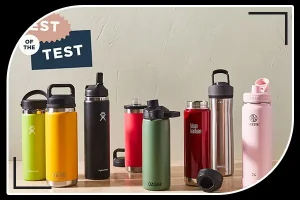
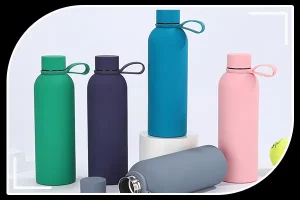
Plastic water bottles have become staples of modern life. People use different types, ranging from sport plastic water bottles to plastic tumbler cups. Yet, do these bottles guarantee safe use and are completely risk-free? While most are made using non-leaching material like PET, plastic water bottles may still carry certain health hazards that should be taken into consideration before buying. Read further to see if using plastic water bottles really makes sense or not.

Why Do People Use Plastic Bottles?
There is plenty of reasons why customers opt for water bottles made out of plastic. Firstly, plastic water bottles can be found virtually everywhere and are easy to reuse multiple times before being thrown away. Furthermore, these are quite cheap when compared with their counterparts made from stainless steel. Lastly, many plastic bottles feature special safety measures like BPA-free technology used by Nalgene water bottles. Yet, despite all the positive features, there is still a question whether plastic bottles are safe.
Potential Health Risks
There is no doubt that using plastic water bottles has its own advantages and disadvantages. Below you will find some information regarding possible health threats caused by regular plastic water bottles.
Chemicals in Plastic
Firstly, people who opt for plastic water bottles should pay close attention to chemical composition of the products. As shown by numerous researches, PET plastics have the tendency to react with surrounding temperature and sunlight. This reaction triggers chemicals leaking, which means that the users inhale and swallow dangerous particles that might trigger various health conditions such as cancer and reproductive problems. Moreover, BPA-free bottles might feature other hazardous compounds like BPS.
Micro and Nanoplastics
Another factor that worries many consumers is the presence of small plastic pieces in the water bottles. Recent study suggests that a person might consume up to 240,000 micro and nanoplastics during the day. It is known that microplastics are easily absorbed by organism, yet their effect on health is still unclear. In any case, it is better to opt for plastic bottles made by reputable manufacturers like Mountop Bottle, a trusted water bottle supplier.
Bacteria Growth
The third issue related to the use of plastic water bottles is bacteria build-up in the bottles. According to a recent study, more than 300,000 bacteria could grow inside a plastic water bottle left for one week. If speaking about plastic tumbler cups or sport water bottles, such numbers might be even higher as these bottles tend to stay wet after washing.
Safe Alternatives to Plastic Water Bottles
If you want to enjoy safe use of your bottles, then it is recommended to change your water bottles for something more secure. Here are several suggestions on how to select the best product:
Stainless Steel Bottles
If you want to avoid any risks while consuming clean and tasty water, then you need to get your stainless steel water bottles. Such tumblers do not leak harmful compounds and have an incredible thermal protection. For instance, Yeti water bottles and Stanley are great examples of insulated stainless steel water bottles. Moreover, if you are an active sportsman, consider getting yourself a good sports stainless steel water bottles.
Glass Bottles
It is also recommended to opt for bottles made from glass since these materials do not leak harmful compounds. Yet, glass bottles might be fragile and difficult to maintain. In any case, if you want to avoid chemical contamination, Ello water bottles is what you were looking for.
UV Bottles
Moreover, you might try purchasing UV water bottles, like LARQ UV water bottles. Such bottles use UV-C lights to disinfect both water and bottle walls, which prevents bacteria build-up.
Other Tips for Safe Use
Apart from replacing your regular plastic water bottles, there is some advice on how to consume clean and safe beverages:
- For plastic water bottle, choose only BPA-free products, such as Takeya water bottles.
- Never store your bottles near heat or sunlight.
- Always wash plastic water bottles after drinking to eliminate the risks of bacteria growth.
- Instead of plastic bottles, use reusable bottles like Contigo water bottles and Frank Green bottles.
- Consider purchasing UV purification bottles from brands like LARQ.
- Purchase custom water bottles from a reputable water bottle factory like Mountop Bottle.
Conclusion: Should You Buy Plastics?
Summing everything mentioned above, it is clear that plastic water bottles might actually bring you some harm, despite their positive traits. Moreover, there are plenty of products made using alternative materials such as stainless steel, glass, or UV technology that provide excellent quality and security. If you care about your health and environment, then consider purchasing custom stainless steel water bottles from Mountop Bottle.
Plastic Water Bottles: Common Questions Answered
Below is a Q&A addressing your questions about plastic water bottles. Answers are based on current research and expert opinions as of August 2025, focusing on health, safety, and environmental aspects. For safer alternatives, consider switching to stainless steel water bottles or custom water bottles from reliable suppliers like Mountop Bottle, a leading water bottle manufacturer.
How to Clean Plastic Water Bottles?
Cleaning plastic water bottles properly is essential to prevent bacterial growth and maintain hygiene. Here’s a step-by-step guide:
- Daily Cleaning: Fill the bottle with warm water and a squirt of dishwashing soap. Scrub the interior with a bottle brush, paying attention to the neck and bottom. Rinse thoroughly with hot water (over 60°C/140°F to kill pathogens) and let it air dry upside down.
- Deep Cleaning (Weekly or as Needed): Mix 1 teaspoon of bleach and 1 teaspoon of baking soda in the bottle, fill with water, and let it sit overnight. Rinse well the next day. Alternatively, use white vinegar or hydrogen peroxide for a natural option.
- Tips: Avoid dishwashers unless the bottle is labeled dishwasher-safe, as heat can cause warping or chemical leaching. For hard-to-reach spots, use rice or baking soda as a scrubber. If the bottle develops odors or mold, discard it and opt for easier-to-clean options like stainless steel tumblers or UV water bottles that self-sterilize.
Regular cleaning extends usability but doesn’t eliminate risks like microplastics.
Is It Safe to Reuse Plastic Water Bottles?
Reusing plastic water bottles is generally safe for short-term use if cleaned properly, but it’s not recommended long-term due to bacterial contamination and potential chemical leaching. Single-use bottles (like PET #1) are designed for one-time use, but can be reused a few times if undamaged and washed with hot soapy water. Risks include:
- Bacteria: Uncleaned bottles can harbor harmful bacteria, leading to infections.
- Chemicals: Heat or scratches can cause leaching of substances like BPA (in some plastics), though BPA-free options reduce this.
- Microplastics: Repeated use increases particle release into your water.
For safety, limit reuse to cold water and switch to reusables like Hydro Flask or Klean Kanteen water bottles, which are designed for long-term use without these issues.
Are Plastic Water Bottles Bad for You?
Plastic water bottles aren’t inherently “bad,” but they pose potential health risks with prolonged or improper use. Key concerns include:
- Micro/Nanoplastics: Bottled water can contain thousands of plastic particles per liter, which may enter the bloodstream and accumulate in organs. Long-term effects are under study but linked to inflammation.
- Chemical Exposure: Substances like phthalates or PFAS can leach, especially if bottles are heated, reused, or stored improperly, potentially disrupting hormones.
- Bacterial Risks: From reuse without cleaning.
They’re convenient and affordable, but for better health, choose BPA-free plastic water bottles or alternatives like Yeti drinkware to minimize exposure.
How Long Do Plastic Water Bottles Last?
The lifespan of plastic water bottles depends on type and use:
- Single-Use (PET #1): Designed for one-time use, but can last 24-48 hours if reused with cold water and cleaned. Discard after a few uses or when scratched/cracked, as they degrade and leach more over time (typically 1-2 weeks max for reuse).
- Reusable Plastics (e.g., HDPE #2, PP #5): Can last 1-3 years with proper care, but check for wear. Polycarbonate (#7) lasts 1-2 years but may contain BPA.
- Environmental Degradation: In landfills, they can persist for 450+ years, contributing to pollution.
For durability, invest in stainless steel insulated water bottles from Mountop Bottle, a stainless steel water bottle supplier, which last indefinitely with minimal risks.
Is It OK to Reuse Plastic Water Bottles?
Yes, it’s OK to reuse them occasionally if they’re in good condition, cleaned thoroughly, and used for cold beverages only. However, experts advise against indefinite reuse due to bacterial buildup and chemical risks. Limit to a few times per bottle, and avoid if damaged. Better options include reusable tumblers like Stanley water bottles or Owala water bottles, which are built for repeated use.
(This is similar to question 2; see above for more details.)
Are Plastic Water Bottles Recyclable?
Yes, most plastic water bottles (PET #1) are recyclable. Rinse them before recycling to remove residues. However:
- Recycling Rates: Only about 30% of PET bottles are recycled globally; the rest end up in landfills or oceans.
- Limitations: Not all facilities accept them, and repeated recycling degrades quality. Check local guidelines.
For eco-friendly choices, opt for recyclable stainless steel bottles or buy in bulk from wholesale water bottle suppliers like Mountop Bottle to reduce waste.
Can Plastic Water Bottles Cause Cancer?
No direct evidence links plastic water bottles to cancer in typical use. Myths about freezing or heating bottles causing cancer (e.g., dioxin release) are debunked. However, chemicals like BPA or phthalates in some plastics may have endocrine-disrupting effects linked to higher cancer risks with chronic exposure. Use BPA-free options and avoid reuse to minimize any potential. Safer alternatives include glass or stainless steel options from brands like Ello water bottles.
Should Plastic Water Bottles Be Banned?
Opinions are divided, but many experts and environmental groups argue yes for single-use plastic water bottles due to pollution, microplastics in oceans, and climate impact. As of 2025, 19 U.S. states have banned certain single-use plastics, and global movements push for phasing them out by 2030. Counterarguments: They’re vital in emergencies or areas with unsafe tap water, and bans could raise costs. A balanced approach: Promote reusables like Contigo water bottles and install public water stations.
Which Plastic Bottles Are Safe for Drinking Water?
Look for the recycling number on the bottom:
- Safe for Single-Use: #1 (PET) – Common in bottled water, low leaching if not heated.
- Safe for Reuse: #2 (HDPE) and #5 (PP) – Durable, BPA-free, and resistant to chemicals; ideal for reusable plastic water bottles.
- Avoid: #3 (PVC), #6 (PS), and #7 (other, may contain BPA) for water, as they leach more.
Always choose BPA-free and check for damage. For ultimate safety, use non-plastic options like CamelBak water bottles or Cirkul water bottles from Mountop Bottle, a trusted plastic water bottle supplier.